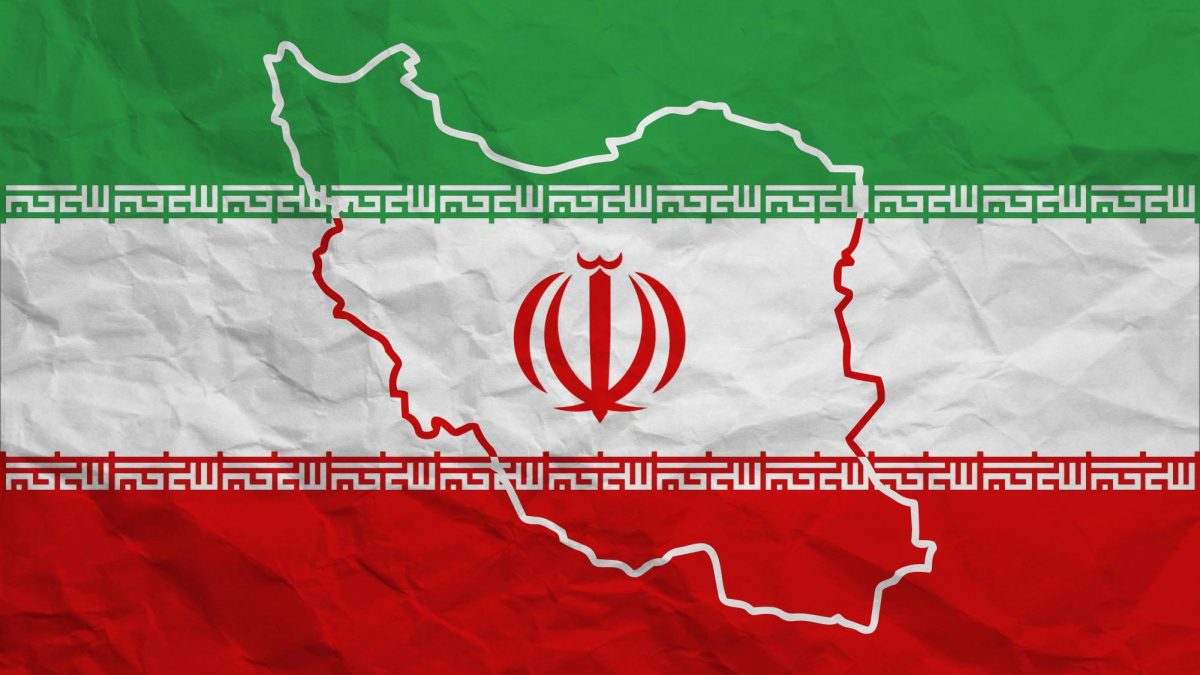
The 2034 Winter Olympics are a time for countries to wave their flags loudly and proudly. However, Salt Lake City has been dodging state flag law since last May, when the legislature passed restrictions on the kinds of flags that can be flown on government property. The situation has escalated as other counties have themselves mulled over their own flag workarounds. HB 302 circumvents this potentially contentious flag war by tightening regulations around city flag adoption, allowing Utah to put its best foot and flag, forward for the coming Olympics.
What’s in a flag?
Last year, the Utah Legislature passed HB 77 into law, which limited the kinds of flags that could be flown by government entities, including school employees. As a result, the Salt Lake City Council adopted three of the banned designs as official city flags to bypass the law. Tensions now mount as other counties consider the same.
Adopting a controversial flag for a municipality, such as the Gay Pride flag or transgender flag, undermines the unity of citizens who are not unified with those causes. Flying specialized flags for constituent subgroups only escalates division in communities by tribalizing subgroups based on their political preference or sexual predilections. The same principle applies for potential MAGA-inspired municipal flags, which have been proposed in some Utah communities.
State law defines a flag as a “usually rectangular piece of fabric with a specific design that symbolizes a location, government entity or cause.” But the true significance of a flag goes far beyond its status as a parallelogram. Flags symbolize cultural heritage and rally people to unify behind a common cause or shared identity.
A 2021 study by Current Psychology about the psychological effects of flag desecration observed the importance of national symbols. “For many citizens, the flag becomes indissociable from the nation and is considered a sacred object that must be defended,” the study said.
This illustrates precisely why the flag debate in Utah is so important. When it comes to flags, unity should be more of a virtue than diversity. The real rallying point for all Utahns should be the American flag, and after that the Utah state flag.
“Flag-rant” noncompliance
The Salt Lake City Council’s actions last May were nothing more than a deliberate workaround of state law designed to push political leftism onto government flagpoles. Salt Lake City Mayor Erin Mendenhall has herself said that the new flags are products of Diversity, Equity and Inclusion (DEI).
“These city flags represent … belonging and acceptance, or better stated: Diversity. Equity. Inclusion,” Mayor Mendenhall said in an interview with KSL upon adoption of the new flags last year. In 2024, the Utah Legislature passed a law ruling DEI principles in government administration and hiring to be discriminatory as well as illegal.
Mendenhall’s flags single out minority groups in Salt Lake City at the expense of unifying a majority of citizens. For example, the city’s new official Pride Progress flag may lead to the city’s non-gay plurality feeling excluded from demonstrations of city unity wherever the flag is flown.
Such symbolic subterfuge is not limited to left-wing causes either. Other Utah counties have considered adopting right-wing flags in turn, also banned from government flagpoles by the passage of HB 77. This retaliatory behavior foreshadows potential homegrown “flag wars” where individual cities adopt diametrically opposing flags to stoke the flames of rivalry and contention.
Utah counties should not antagonize citizens with divisive city flags. HB 302 addresses this issue head-on.
Pole position
HB 302, introduced by Republican Salt Lake County Rep. Matt MacPherson, seeks to tighten the rules surrounding flag adoption by cities through amending HB 77. HB 302 allows each city one official flag for flying on government property, with additional flags to be subject to approval by the state legislature. This would restrict, for example, Salt Lake City’s colorful cast of flags down to just one, with remaining flags subject to review.
“Adoption of a flag [for political subdivisions of the state] is subject to review by the Rules review and General Oversight Committee … to ensure compliance,” the bill states. These flags, approved by the Committee, are then considered fit for flying at official government locations such as courthouses and airports, a special focus since the upcoming Winter Olympics brings renewed international attention to SLC’s International Airport.
MacPherson observed the importance of passing his bill in preparation for the coming Olympics. “There’s some concern that just because one municipality owns our primary international airport in the state,” MacPherson said in an interview with KSL, “and it’s our primary port of entry for those international visitors … we want to keep [the flags flown there] to more of a neutral content that’s not very controversial.”
Wavin’ flag
Gov. Spencer Cox infamously refused to sign the original HB 77, which he referred to as “divisive” and later as “dumb.”
Gov. Cox is wrong. There is nothing “dumb” about loving your country, loving your state and loving your flag. There is nothing “dumb” about wanting to keep flags sacred as unifying symbols flown on government property. HB 302 offers a renewed opportunity for the Legislature to strive towards these ideals.