This article originally appeared in the Resolutions print issue, in stands February 2026. It has not been updated and some information may be out of date.
Every new year comes with a familiar push to improve. This includes being more productive, disciplined and successful. Working out consistently, drinking more water and getting less screen time are familiar New Year’s resolutions with solid intentions.This year, we must aim much bigger than making it to the gym a couple of times a week, although that goal is also important. As 2026 approaches, the most meaningful resolution isn’t about doing more, but about learning more.
In a world overflowing with information yet lacking understanding, committing to education may be the most powerful goal to set. Knowledge is no longer optional. It’s essential during an age of so much misunderstanding.
The illusion of being informed
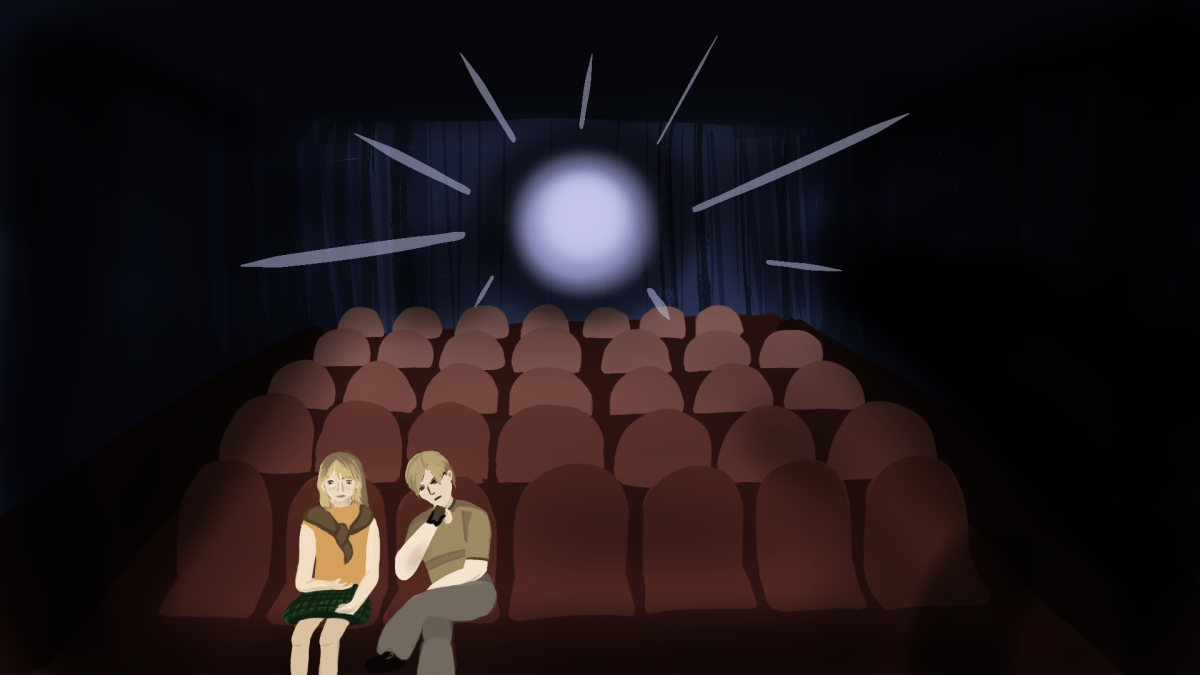
Today’s society exists in an era where information is constant and immediate. With so much content accessible, it’s easy to believe that exposure equals understanding. But being surrounded by information is not synonymous with being truly informed. Scrolling through headlines is not the same as studying a subject. Consuming content passively does not lead to comprehension.
While smartphones and digital media are often blamed for declining attention spans, the underlying issue is a cultural shift away from deep reading and thoughtful engagement. The death of critical thinking skills is sickening. Learning requires patience and focus, both of which feel increasingly rare in today’s digital age. Without them, we risk confusing awareness with knowledge and speed with insight.
Education matters, now more than ever
Education has always been a driver of progress, but its importance feels heightened in instances of uncertainty. In moments of political, social and cultural tension, education equips individuals with the language and context needed to push back against misinformation, injustice and complacency.
To be educated is to understand the forces shaping the world rather than passively accepting them. History shows that resistance is rooted in knowledge. Without education, societies become easier to manipulate. Emotion replaces evidence. Repetition becomes the truth. Learning provides the tools to think critically, evaluate sources and distinguish facts.
Education also fosters moral clarity. It encourages individuals to examine their values, question authority and consider the consequences of their actions. In times when silence can feel safer than dissent, education empowers people to engage thoughtfully rather than withdraw.
Ways to fix the brain
By making space to study subjects that genuinely interest them, individuals experience learning as both more meaningful and more sustainable. Depth encourages understanding, while constant distraction weakens it.
If 2026 is going to be a year of real growth, it must include deliberate focus. Learning does not require endless free time, but it does require intention. Reading can happen in parts of the day, times that are often lost to mindless scrolling. Unlike short-form content, sustained reading demands attention and rewards patience, strengthening the very cognitive muscles that constant digital stimulation erodes.
Putting the phone down is not about completely rejecting technology. Creating physical distance, leaving the phone in another room while reading, turning off nonessential notifications or setting personal app limits can restore the ability to concentrate.
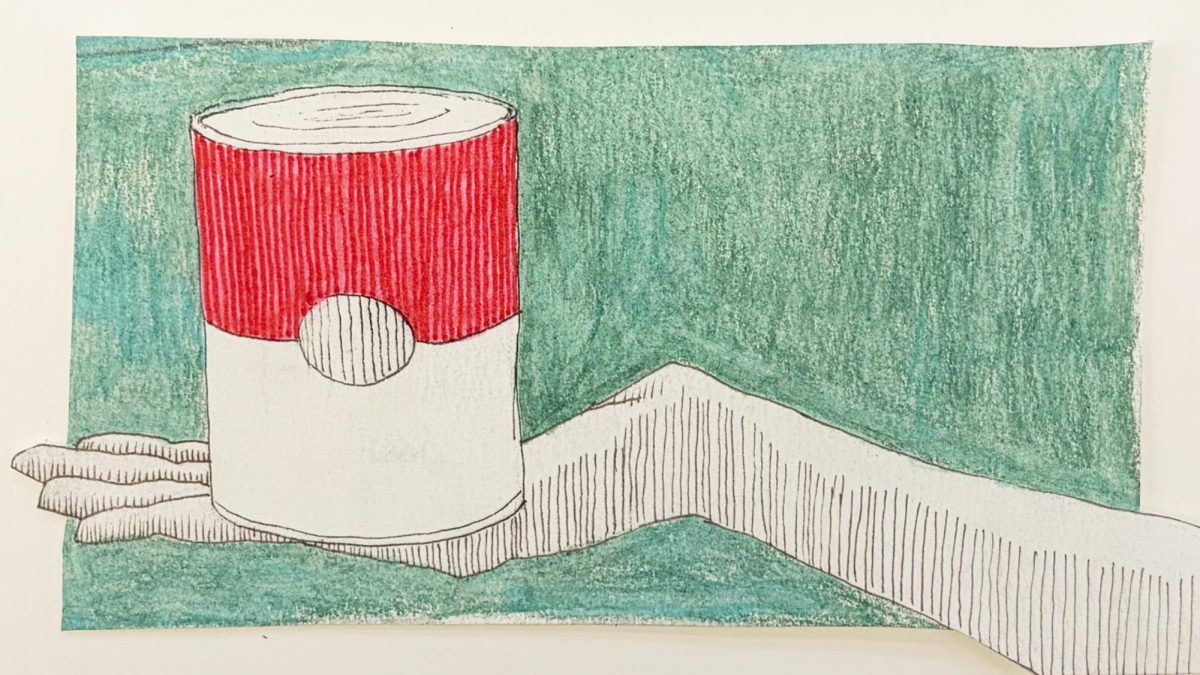
Learning also extends beyond the page. We can find education in conversations, documentaries, museums, lectures and even observation of the world around us. Studying a niche topic, revisiting notes or watching a documentary are all ways to make actively learning less of a chore and more of a hobby. Absorbing knowledge in this way transforms learning from a task into a habit. When curiosity replaces convenience, education becomes integrated into daily life rather than confined to formal settings.
In the new year, choosing depth over distraction may be one of the most effective ways to strengthen not only the mind, but the self. Learning challenges inherited beliefs, habits of thought and even versions of ourselves we once relied on. In her best-selling memoir, “Educated,” Tara Westover captures this transformation perfectly: “You could call this selfhood many things. Transformation. Metamorphosis. Falsity. Betrayal. I call it an education.”
In 2026, the biggest goal an individual can have is finding selfhood through education. A continued commitment to learning and growth creates the foundation for expertise. As we increasingly rely on informed voices, the need for individuals dedicated to ongoing education has never been greater.
Throughout this year, staying educated must no longer merely be a personal advantage but a shared responsibility. In a rapidly changing and often uncertain world, knowledge provides stability and change. This year, it is imperative to choose curiosity over convenience and learning over distraction. We don’t need to know everything, but we should strive to contribute more meaningfully, both as individuals and as a collective.