
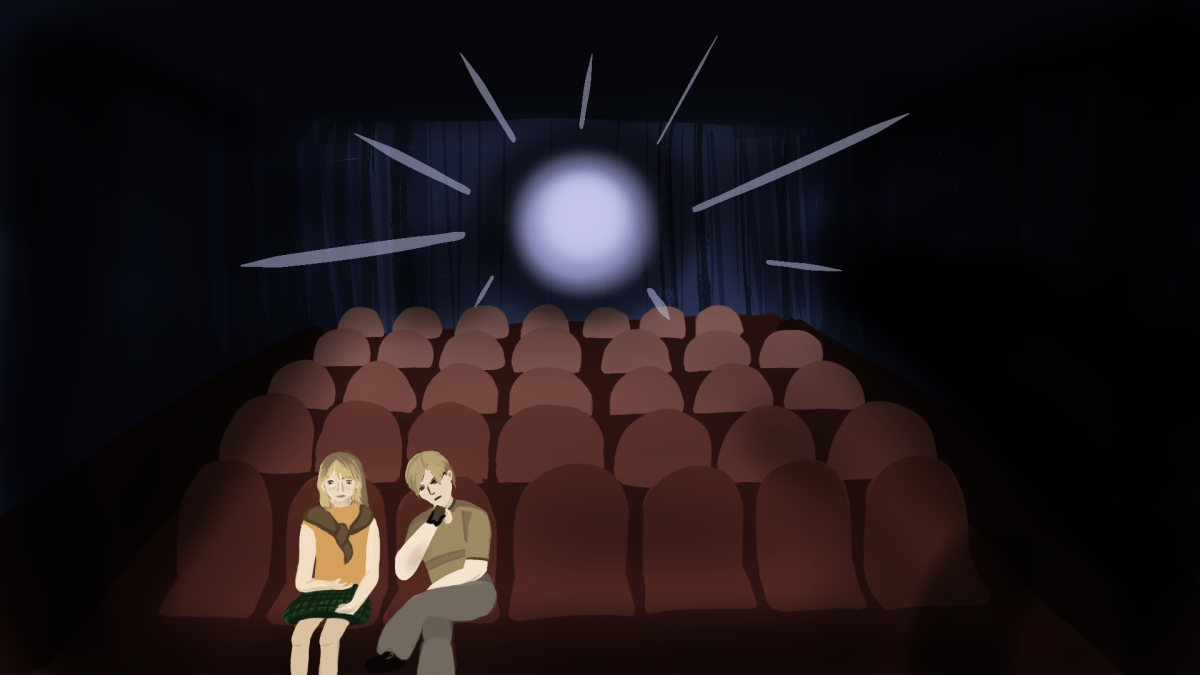
A seismic shift is occurring in the storytelling industry. Audiences are gravitating towards the predictable yet satisfying in their stories, with critically despised films such as Michael and The Super Mario Galaxy Movie becoming successes overnight. Modern storytellers across all mediums must thoughtfully implement critical tropes to enhance meaning, all while being careful to discern when a trope has become cliché.
Tropes vs. clichés
In the world of film, the one thing more common than the ‘watch’ is the ‘rewatch.’ It is immensely satisfying to ‘ooh’ and ‘aah’ at familiar beats in favorite stories, even when we know they’re coming. This is because our minds speak and receive stories using the language of tropes.
Tropes and cliches are not necessarily the same thing. Tropes provide familiar, culturally sourced narrative conventions that tell our minds what to expect during a story. On the other hand, a cliché is a trope which has been overused to the point of being trite. Tropes are an important part of building resonant stories, while cliches weaken plot and turn off audiences. They provide a framework for the mind to make sense of plot and the moral quandaries explored by meaningful stories.
A 2022 study conducted by French researchers Jean-Peic Chou and Marc Christie found trope usage in storytelling to be a net good. “Tropes do not impose rigid patterns and methods,” the study asserts. “They should rather be considered as tools helping creators to grasp the content of our imagination, play with it and reinvent it.”
Rather than being a barrier to originality, tropes help storytellers structure interesting stories out of familiar building blocks in order to create something meaningful. However, modern writing trends have been less than friendly towards trope-based nuance.
Trope-a-dope
Stories from the last decade, such as The Office and the Marvel Cinematic Universe, have shifted the pop-culture zeitgeist away from tropes into clichés. An overabundance of ironic humor and sarcasm have nullified the value that original trope concepts could provide.
Successful series such as Lost and Knives Out have opened a Pandora’s Box of unsatisfying stories out of J.J. Abrams’ ‘Mystery Box’ story architecture. These works and many others have persuaded a generation of storytellers that subverting expectations and introducing questions without satisfyingly answering them makes for a compelling plot. The internet has dubbed these clichés as ‘millennial writing.’
Additional hallmarks of so-called ‘millennial writing’ are said to include incessant ironical self-awareness, shallow characters and a disinclination to differentiate between moral right and wrong. These clichés have been so often repeated that it has voided entertainment of the catharsis which recognizable, nuanced tropes can provide.
This trend can clearly be seen on sites which compare critical scores alongside public opinion, such as Metacritic and Rotten Tomatoes (RT). Major works considered part of the ‘millennial writing’ consistently boast abysmal RT audience scores, such as video games ‘Saints Row’ and ‘Concord’ and TV shows like ‘Star Trek: Starfleet Academy.’
Modern stories often feel afraid to be anything other than snarky, quippy and crass, much less inspire meaningful thought and introspection.
A new hope for tropes
The April 2026 Michael Jackson biopic Michael is a perfect example of the importance of the resonance stories can have with audiences when they eschew clichés in favor of tropes.
Critics loathed the exclusion of controversial and dark accusations against Michael Jackson from the film because they mistook moral ambiguity with storytelling sophistication. The reality is that audiences simply want to enjoy reliving the archetypical, heroic and even tragic life of the world’s biggest star.
This is how a movie with a ‘rotten’ 29% critic score can earn a near-perfect 97% rating from discerning audiences.
Audiences are rejecting edgy, realistic and self-aware writing trends in favor of classic tropes done right. The recent Resident Evil revival phenomenon online further demonstrates this. Resident Evil, the Capcom horror tentpole, consistently feels fresh despite its often jarringly formulaic story structure.
The 2023 release Resident Evil 4 Remake does not shy away from its tropes. The plot employs a familiar premise of a wisecracking protagonist tasked with safely rescuing a damsel in distress held captive within an ancient castle.
However, none of these tropes reach the point of feeling forced or trite. Instead they serve to enhance, rather than detract from the meaning and originality of one of gaming’s most lauded works. The game integrates recognizable tropes without letting them become cliché or bogged down in extreme realism, ironic snark or moral ambiguity.
This trope-heavy, nuanced approach has struck a chord which audiences online have felt deeply, with latest series entry Requiem becoming the fastest-selling in the series’ 30-year history.
In 2026, it’s high time to take tropes off the ropes. By making meaningful use of recognizable archetypes while avoiding common clichés, skillful storytellers elucidate the human condition, one trope at a time.










John Hedberg | May 27, 2026 at 7:12 am
“Modern stories often feel afraid to be anything other than snarky, quippy and crass, much less inspire meaningful thought and introspection.”
Amen. Did anyone else watch “SAVING PRIVATE RYAN” (1998) over the Memorial Day Weekend? I don’t know whether it’s coincidence or not, but the writing prior to smartphones & the internet seems a lot more exploratory, more character-driven, and even inspiring.
What happened? Reagan & Bush won the Cold War & freed Soviet Europe from slavery, starvation, torture, & the Gulag. Colin Powell took command of the US Armed Forces, and Clarence Thomas was confirmed to the Supreme Court alongside Sandra Day O’Connor. Congress balanced the budget, and working families were booming along with the successful post-War economy.
Did too much prosperity simply make our leaders & innovators lazy? Did we forget where our blessings come from (Love, for God & each other)?☺️💛