

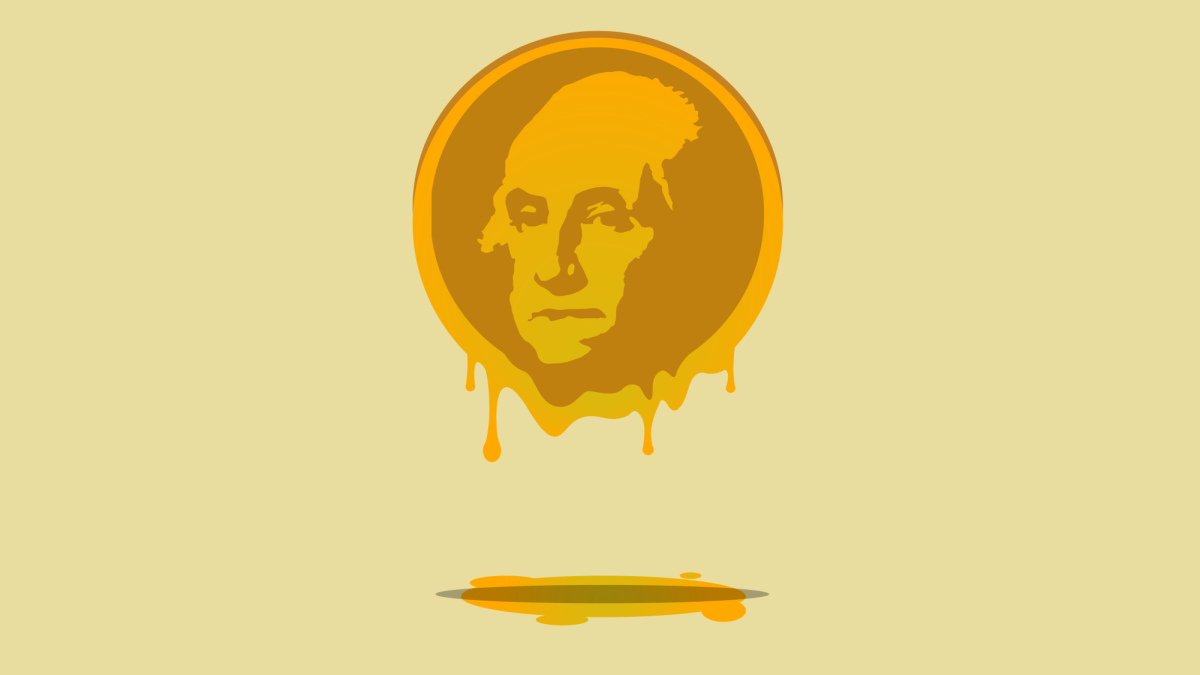
President Donald Trump signed a bill Aug. 1 cutting federal funding to public media outlets. This includes National Public Radio (NPR) and Public Broadcasting Service (PBS).
The Trump administration has gotten rid of public media to end taxpayer subsidization of biased media. This means getting rid of the media that criticize or oppose him and his administration.
When you remove public media, you remove access to fact-based reporting, in-depth coverage and educational programming. This is especially harmful for rural communities, low-income families and people who lack access to cable or paid streaming services. Getting rid of public media is censorship that will threaten democracy.
Using public media
A 2021 University of Pennsylvania study showed that more funding for public media strengthens a democracy. It showed that public media systems are linked to greater public understanding of civic issues, more inclusive media coverage and a reduction in extremist viewpoints.
NPR and PBS offer non-commercial, fact-based news and public interest content that commercial media often ignore. Unlike cable networks, public broadcasters are legally required to maintain editorial independence and serve the broadest possible audience.
Who is hurting?
Defunding public media disproportionately affects rural communities, low-income families and those without access to paid news or streaming services.
Several small radio stations in states such as Alaska, Kentucky, Texas and Mississippi rely on the Corporation for Public Broadcasting (CPB). For small towns in rural areas, media funded through the CPB is their only source of local daily information.
For many children in underserved areas, PBS Kids is their only source of free, high-quality educational programming.
Children in underserved areas will have even less access to public education. Cutting funding from public broadcasting dismantles educational programs that parents and teachers can use for free.
Newspapers and local radio shutting down is not uncommon. There has been an extreme decline in printed newspapers since the Internet. Online media and radio stations have surged. When newspapers and radio stations lose funding, the areas that suffer are rural. Fourteen newspapers in Wyoming have closed, along with several others scattered in small towns across the country. According to a story last year from the Associated Press, “More than 3,200 newspapers have closed since 2005, leaving roughly 5,600 remaining. Nearly 2,000 newsroom jobs were lost in the last year alone.”
NPR often fills the gap where local newspapers have disappeared, especially in small towns.
Media claps back
Stephen Colbert criticized Paramount for settling a petty lawsuit filed by Donald Trump; At the same time, the Federal Communications Commission (FCC) was reviewing Paramount’s proposed merger with Skydance. Colbert called the timing of the settlement a “big, fat bribe.” Three days later, Paramount announced that Colbert’s “Late Show” would end at the end of the season. Paramount has stated this was a financial decision, but the media disagrees.
Liz Hynes, a late-night writer, stated, “The president does not get to pick what goes on TV, and I think a lot of people, regardless of political affiliation, would generally agree with that statement.” South Park, which Paramount owns, has also made a clap back towards Trump’s media censorship. The season 27 premiere mentioned the Paramount lawsuit in a very explicit manner. About 5.9 million people watched this premiere. The White House afterwards called the show “fourth-rate” and “irrelevant.”
Despite political attacks, public media outlets have also seen a surge in public support, including record-high donations and listener engagement.
These cultural reactions show a growing public awareness that defending public media is defending free speech and democratic discourse. The media and the public are not accepting this censorship and threat to democracy.
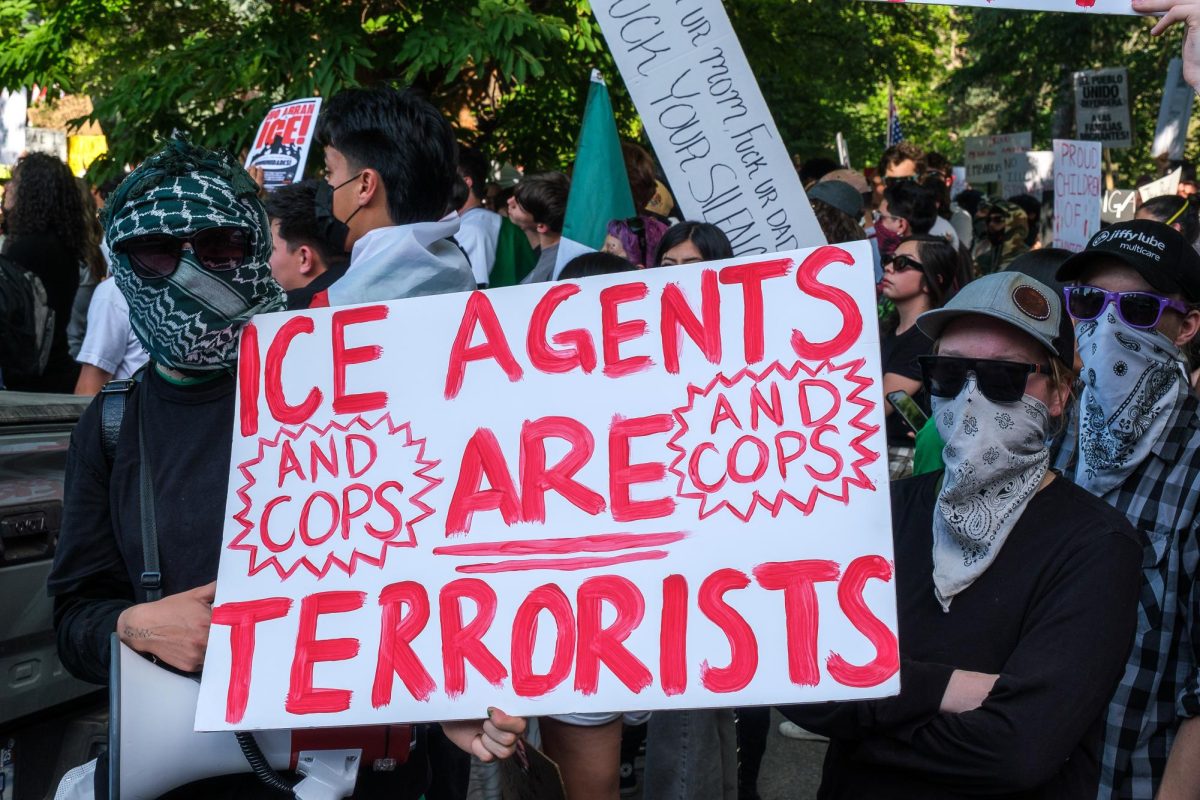
By targeting NPR, PBS and other publicly funded outlets, the Trump administration is effectively censoring criticism and silencing voices that hold power accountable.
The consequences of this are serious and far-reaching. Cutting off public media doesn’t just hurt the institutions themselves. It also harms the millions of Americans who rely on them for trustworthy news and educational programming.
When government leaders attempt to control the media through funding threats and political pressure, it’s up to the public to push back. That means supporting public broadcasting, calling out censorship when we see it and defending the right of all Americans to access public media. Donations to PBS and NPR, as well as local news stations, are greatly beneficial ways to strengthen public broadcasting. Along with this, we must contact elected officials and urge funding to be restored to public broadcasting. Journalists and Americans must continue to fight for public media.



John Hedberg | Aug 26, 2025 at 8:18 pm
Interesting thesis!
I had this conversation with a partner. We actually came up with a viable alternative which might even be better. See what you think.
We posited that the folks who love public media can simply do a monthly subscription, just like the Times or a gym membership. At $10.00 per month, most people who like the content can afford it, those who want to contribute more than $10.00 can do so, and those who aren’t interested aren’t forced to pay for it. It’s a win-win for everyone.
Also, every 10-year old has a phone now, so the idea that any neighborhood, no matter how isolated, won’t have public access is simply a thing of the past, not a real thing in the digital age. If you have a phone, download the PBS or NPR app! Crisis averted-
These days, no one is isolated who doesn’t choose to be, and access is cheaper than any time in history. Subscribe (download the app) now~
Let me know what you think. My partner thought we solved it! ☺️💛