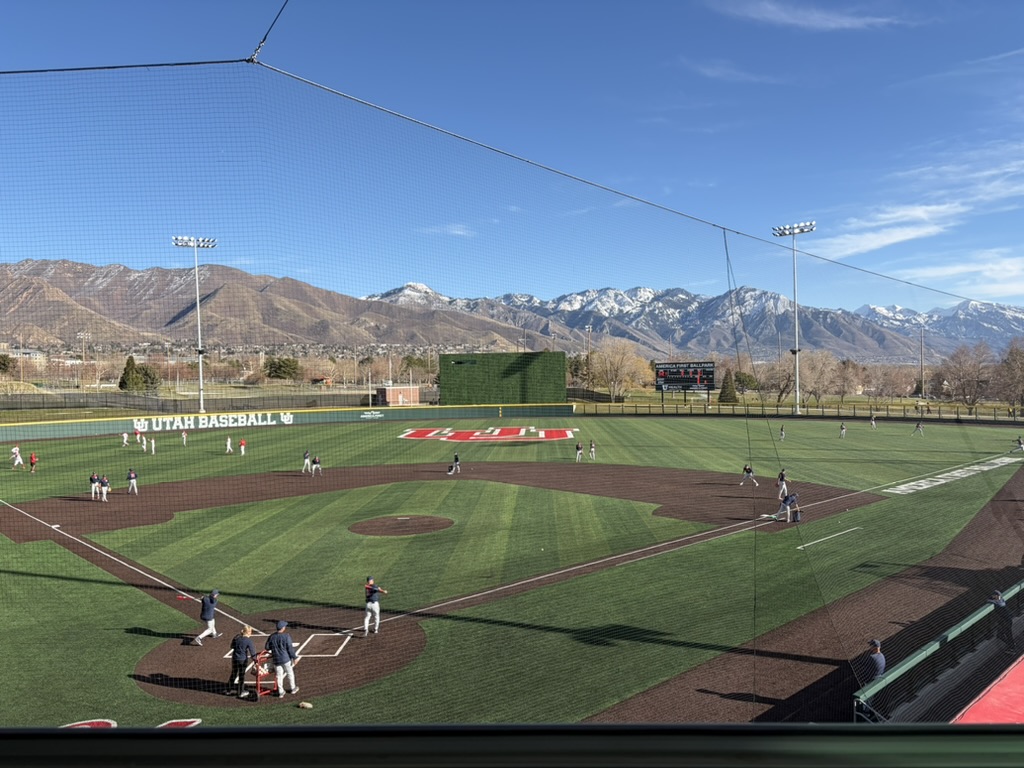
My memories of elementary school are filled with baseball games and building snowmen with neighborhood kids. Though we all tend to wince at a few of our childhood memories, mine are mostly filled with joy and laughter.
When I was growing up in the ’80s and early ’90s, I was given many benefits.
I had time everyday to exercise and play. I was given a nutritious lunch which provided the nutrients I needed to grow.
Though I wouldn’t have thought so at the time, one of the greatest blessings of my young life was that there was not a vending machine anywhere in sight at my elementary school.
Unfortunately for kids nowadays, that is no longer the case.
A 2000 survey from the Center for Disease Control and Prevention concluded that 89 percent of middle/junior high schools and 98 percent of high schools had a vending machine or a school store, canteen or snack bar at which students could purchase competitive foods or beverages.
Childhood obesity is the primary cause of Type II diabetes. Obese children are also much more likely to develop heart disease later in life.
Vending machines, which offer snacks that can cause early diabetes and other life-shortening diseases in children, should be removed from all elementary and secondary schools.
A 2002 survey by the Utah Department of Health showed that 11.7 percent of Utah children ages 6 to 11 are considered obese-which parallels the national rate of 11.3 percent.
Utah has enough overweight children to fill 124 elementary schools, said Julie Metos, head of Utah’s branch of Action for Healthy Kids, in a recent Health and Human Services interim meeting.
The rise in childhood obesity has a direct connection with an increased selection of unhealthy snack choices in school.
If a child consumes just one Hershey bar and a can of Sprite in one lunch hour, that child just consumed more than 350 calories, which will take two hours of walking to burn off.
One step in the right direction is the newly signed Child Nutrition Reauthorization Act. As well as helping schools provide more meals for needy children, this federal law mandates that schools offer a variety of choices in vending machines.
This law provides $16 billion each year for child nutrition programs. The law requires that only 40 percent of vending machines have foods with no nutritional value-the other 60 percent must be filled with healthy snacks.
Though this is a positive step, it’s not feasible to think that all children will make a healthy decision and choose nutritious snacks just because there are more of them available.
Imagine if children were given two options for how to spend their recesses.
One option is to play a sport like basketball or volleyball.
The other option is to go scuba diving.
Do you let the kids decide?
If you did, you would be left with many drowning children.
Just as it is unsafe to let children go scuba diving at recess, it is unsafe to allow them to eat foods that could lead to life-threatening diseases.
When I was in elementary school, I would have chosen the candy and soda, hands down.
Now that I’m an adult, I’m glad that someone else decided otherwise for me.