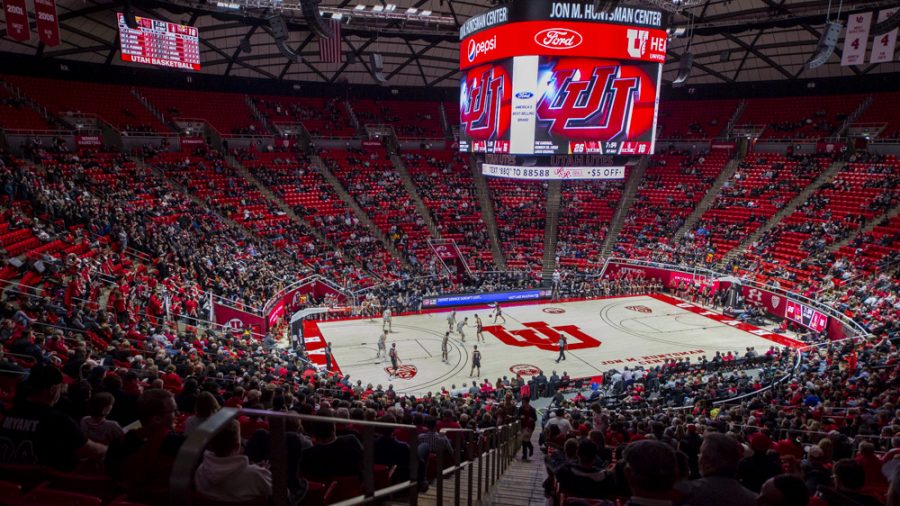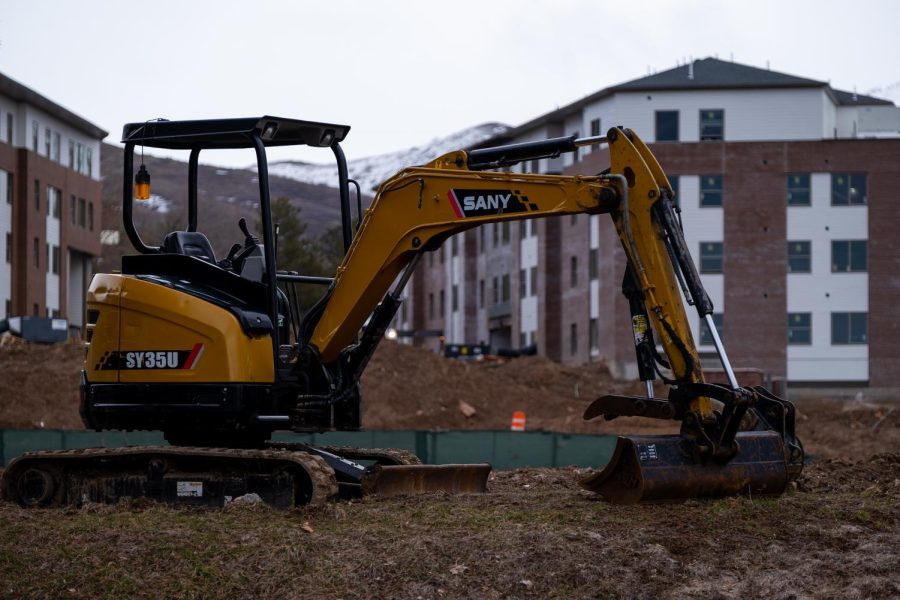
As the University of Utah pursues its plan to become a more residential campus, students say they are not questioning whether they want to live on campus, but whether they can afford to.
The U’s housing expansion is part of its plan to transform from a commuter campus into a residential community due to students’ growing interest in living on campus. However, current students raised concerns about rising housing costs, mandatory meal plans and vacant dorm rooms.
Housing plans
University Housing has described more student interest in living on campus. “Each year, we’ve seen a rising trend of people who want to live on campus,” said Anna Dickherber, executive director of Housing & Residential Education.
The housing expansion is part of the university’s new development for residential growth. “College Town Magic” is a framework spearheaded by President Taylor Randall to transform the U from a commuter-focused campus into a residential one by constructing new student housing. The U’s newest dorm, Trailhead, is a part of this framework and is set to open in the fall. Trailhead, along with the other most recently built dorms, is a Learning Living Community, which brings together cohorts of students, typically in dorm-style housing.
Affordability
For McKenna Gibbons, a sophomore graphic design major, moving off campus was a financial decision. “Off-campus housing is generally just a lot cheaper than on-campus housing,” Gibbons said.
After living in Sage Point as a freshman, Gibbons said she found that the cost of campus housing exceeded comparable off-campus options. “Sage Point for two semesters is still more expensive than getting an off-campus equivalent for the entire year, including the summer,” she said.
Gibbons also questioned whether student demand for on-campus housing is as strong as the university suggests, as she had been receiving emails advertising open rooms. “I got emails that said there were rooms open in some of the dorms,” Gibbons said. “So I wonder if they’re actually filling up dorms.”
Demand on campus
Sidney Waters, a junior studying linguistics and speech and hearing science, currently lives on campus. She said she noticed a demand for on-campus housing, but not at the current prices. “I do think that a lot of people want to live on campus,” Waters said. “However, not actually a lot of people want to live on campus because of the price.”
Waters said her housing scholarship was the reason she was living on campus. “If I didn’t have my scholarship, I wouldn’t be able to afford campus housing,” Waters said.
Waters said many students express interest in campus living, but decide against it because they can’t afford it. “I’ve talked to multiple people that said they would like to live on campus, but it’s too expensive,” Waters said.
Mandatory costs
Students identified housing costs and mandatory meal plans as primary concerns. Students living in LLC’s and freshman housing are generally required to purchase meal plans, adding thousands of dollars to the cost of living on campus. “When I lived in a residence hall, I was paying thousands of dollars for a meal plan that I wasn’t able to use to its fullest,” Waters said.
Gibbons said the combined cost of housing and meal plans often makes off-campus housing a better option. “It’s too expensive, especially with a required meal plan on top of it.”
Waters also questioned why housing prices continue to rise as the university expands housing capacity. “They’re building lots of new housing, and there are supposedly more spots for students, yet they’re raising prices substantially across the board,” she said.
The affordability issue is not just about housing costs. Waters said that students who cannot afford to live on or near campus often face longer commutes, transportation expenses and additional barriers to campus involvement. “The way housing functions right now creates a lot of barriers for people who come from lower socioeconomic backgrounds,” Waters said.
Call for different housing options
The university’s housing expansion has focused on residence hall-style developments and LLCs, which intend to create opportunities for students to build connections and engage with campus life. However, Waters believes many upper-division students would benefit more from additional apartment-style housing. “I don’t think they need to build more residence halls,” she said. “I think they need to build more apartment-style housing.”
Apartment-style housing allows students to cook for themselves and avoid mandatory meal plans, making it a more affordable option for many students. Gibbons said if university housing is intended to attract upper-division students, affordability concerns should be addressed.