This article originally appeared in the Rough Draft print issue, in stands August 2025. It has not been updated and some information may be out of date.
Approximately one third of college students are non-traditional students. For the purposes of this article, non-traditional will refer to students ages 25 and older.
According to the National Center for Education Statistics (NCES), 62% of high school completers immediately enrolled in a two-year or a four-year college. This includes high school students and those who completed their GED. Over the course of a 10-year study, from 2012-2022, overall enrollment went down by four percent. However, immediate enrollment into four-year institutions increased by 8%.
I am included in this statistic. I received my GED in November 2013 and enrolled in courses at Salt Lake Community College (SLCC) in January 2014. The University of Utah required GED holders to obtain 30 college credit hours prior to being eligible for consideration.
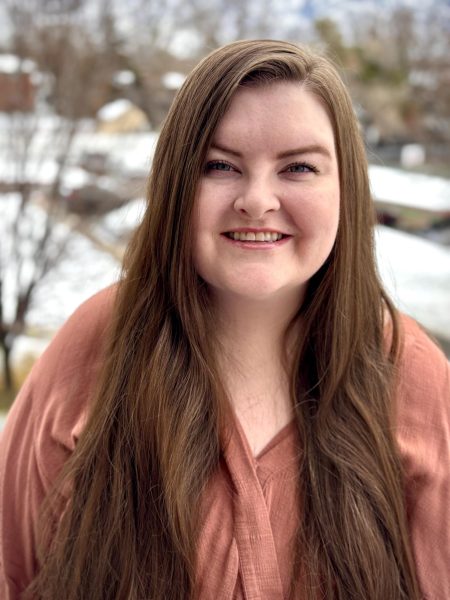
I had a plan to complete two years of school at SLCC before transferring to the U. I completed my associate’s degree in December 2016. Things got a bit off track, academically. I returned to the U as a non-traditional student in January 2024, at the age of 28 to complete my bachelor’s degree in writing and rhetoric studies.
As on online student, I was never very aware of the comings and goings of campus. When I heard about the internships at The Daily Utah Chronicle on Handshake, I wasn’t sure I would be the best fit. I had been talking to Dan Moseson about looking for internships and it felt like the right move. I knew adding an internship to an already packed school and work schedule would be tough, but I was ready to give it my all.
Though my experience has proven to be challenging to say the least, I wouldn’t trade it for the world. I was so nervous to join the news desk as an “old lady” who had never written in a newspaper before. Everyone was so genuinely kind and willing to help when I was feeling lost. I’m no pro, but I feel leagues more confident in my writing than I did last year.
The lessons I have learned from — not just my editors — but also my peers are invaluable. Every single person I work with is such a talented writer and I am in awe of their mastery of their craft. It has been a healing experience to see that the younger generation still finds joy in writing. I’m so glad I didn’t let the fear of failure stop me from applying.
I had the opportunity to speak with other non-traditional students about their educational journeys. Kaitlyn Porter began her educational journey at the U in 2009 and left to find some direction after her first year. She was feeling pressure from her high school, which boasted a high percentage of college enrollees as well as her family.
After completing her associate’s degree at SLCC, she is back at the U to complete her bachelor’s degree in psychology and is considering grad school options. Porter said her academic journey was meant to happen the way it did because she is who she is today. She said she was able to obtain more value from her education than she would have when she was a fresh high school graduate.
Porter had to overcome negative self-talk and doubt, to go back to school. Some advice that she had for others who may be considering going back to school or going to school for the first time, later in life, is to “reframe how they feel about themselves, because everybody’s probably better than they think.”
I also spoke with Jessica Sipes, who will be graduating with her English degree this semester. She wants to use her degree to get into the publishing industry. She is very excited to be graduating after many years of being school.
Sipes has had stretches in and out of school. She attended SLCC part-time, while working full-time, to obtain her associate’s degree before transferring to the U to obtain her bachelor’s degree.
While Sipes is grateful for her time at the U, she wanted instructors to know that not all students have the same 40 hours in a week, and she thinks more consideration would have made her journey easier.
“Not everyone has time to dedicate their entire life to one class. Some people work full-time and go to school full-time and a class that assigns five assignments in one week is not being considerate of various student circumstances. Some flexibility would be appreciated,” she said.