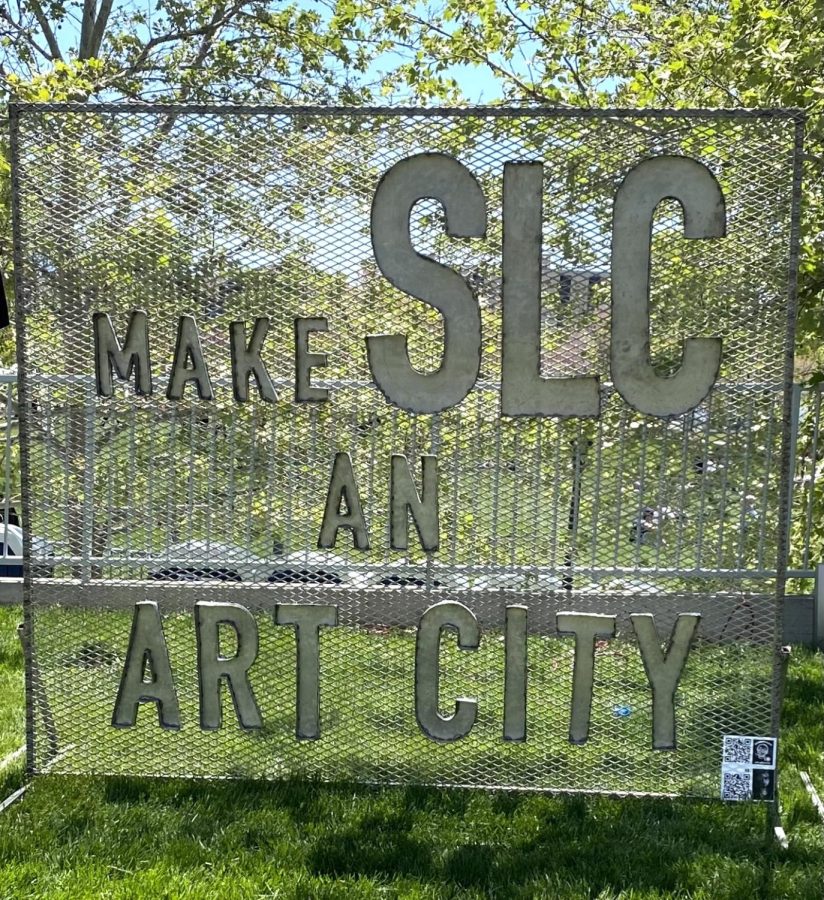
Salt Lake City hosted its 40th annual Living Traditions Festival, a free celebration of cultures, traditions and communities at the Civic Center last weekend.
Organizers collaborated with the Utah Division of Arts and Museums, as well as the Smithsonian Folklife Festival, to bring national artists, special food demonstrations and other unique programs for this year’s festival. Their goal is to facilitate understanding and belonging amongst communities through traditional music, dance, crafts and food.
“It’s been 40 years of celebrating all of the cultures and people that call Utah home,” said Dawn Borchardt, the Performing Arts Program Manager for the Salt Lake City Arts Council, who oversaw the preparation for this festival. “Celebrating and learning these folklife traditions is how we learn about our own history and our neighbors.”
Performances
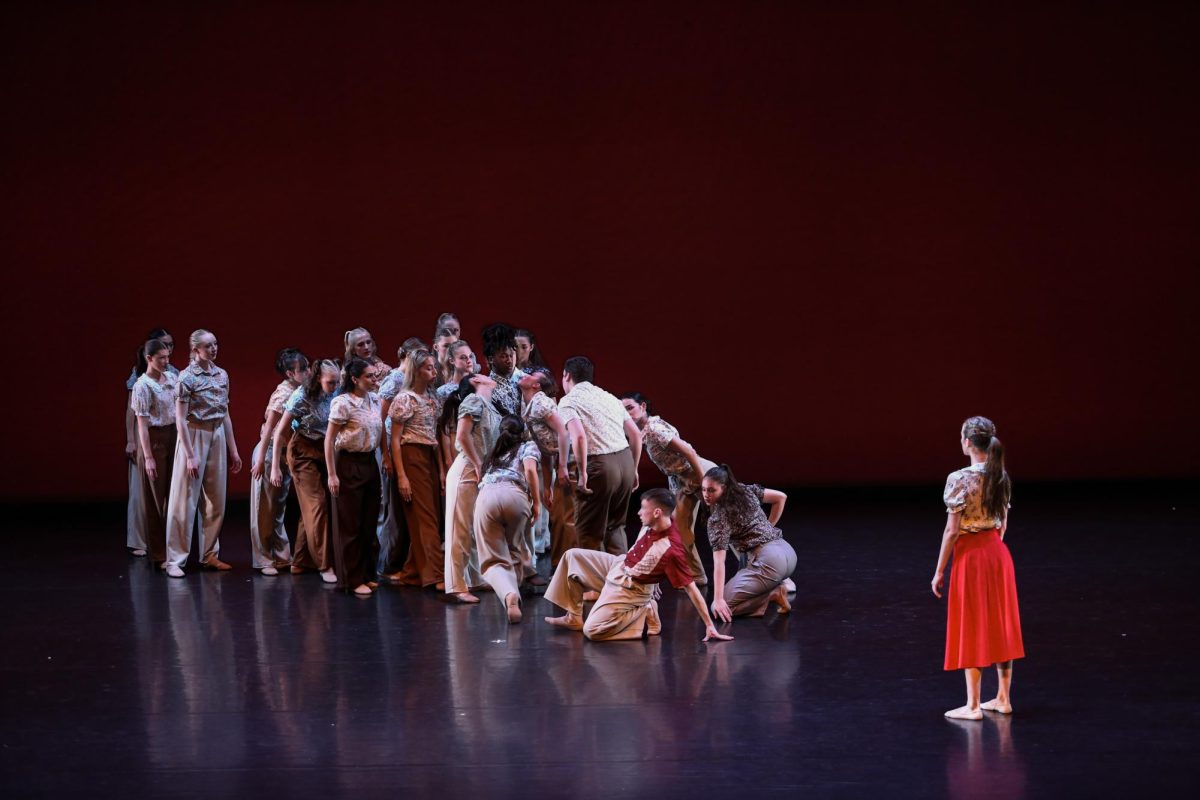
Traditional performances of dance and music took place on two stages, an amphitheater and a lawn. National headliners performed in the evenings and local groups performed during the day. These included traditional dances from Native American tribes, China, Greece, Tibet, Mexico and other heritages. A performance group, Pamyua, that preserves Inuit traditions, traveled from Alaska to perform on Friday night. Another group, the Preservation Hall Jazz Band, traveled from New Orleans to perform on Saturday night.
“We as a community put a lot of effort in keeping our younger generations connected with our culture to remind them who they are and share that piece of our culture with everyone here in Utah,” said Tsering Choedon, the president of the Utah Tibetan Association.
Crafts
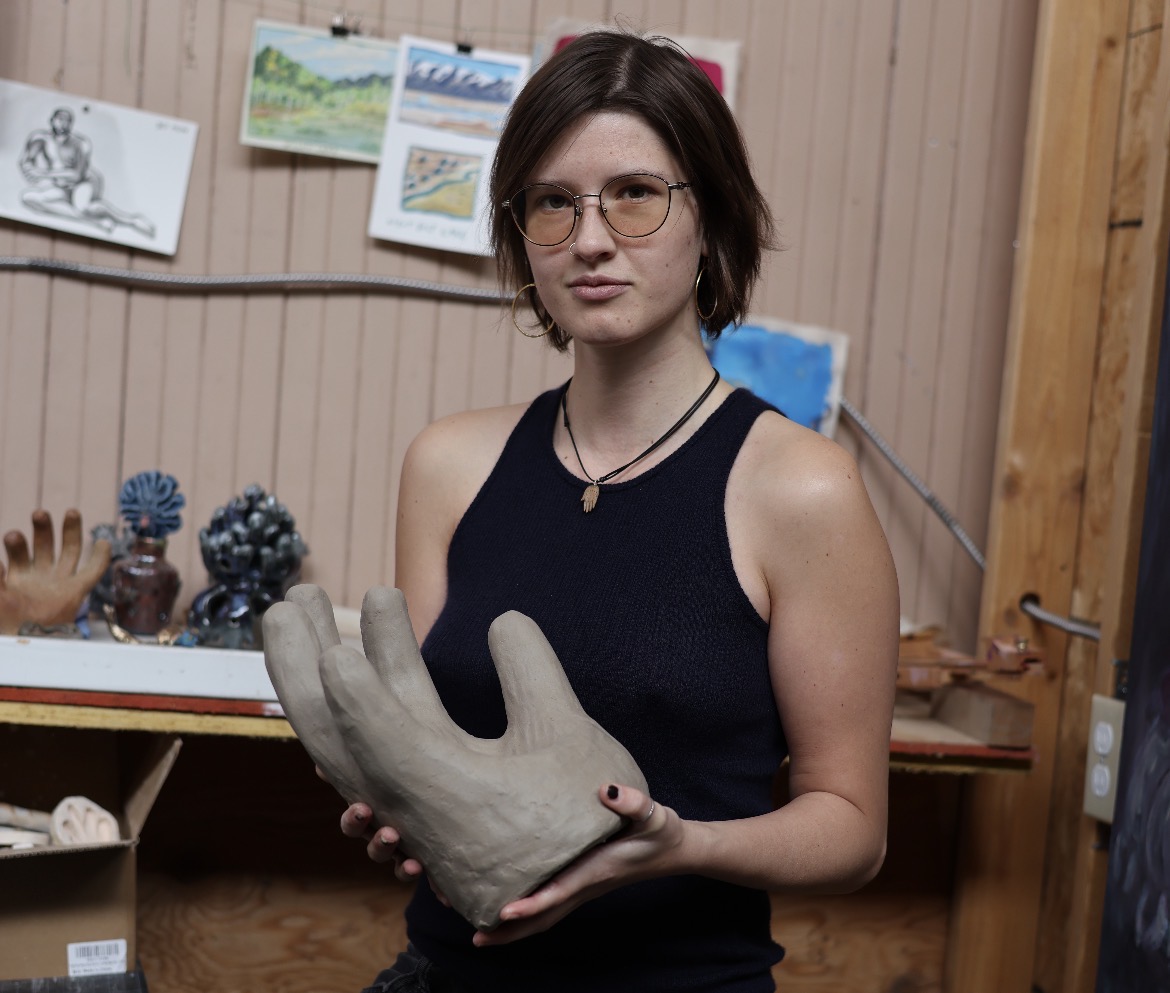
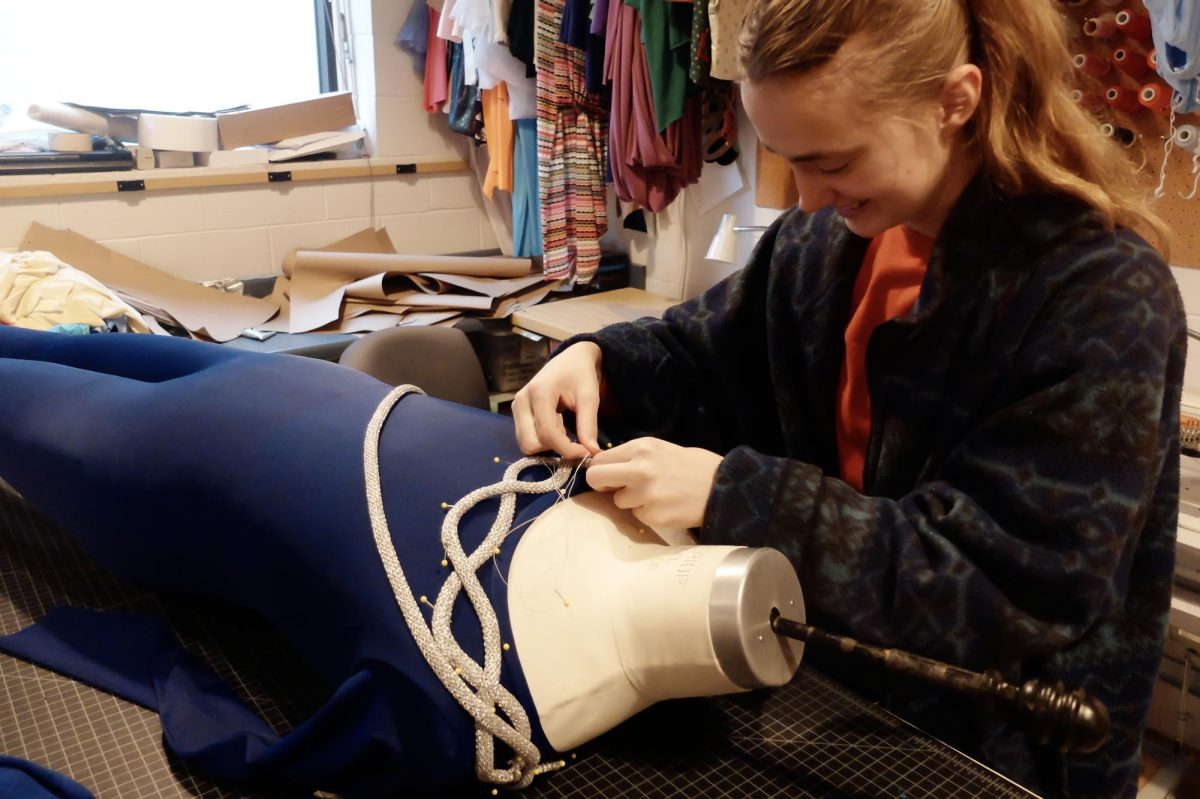
The festival also featured booths for visitors to learn traditional crafts and make their own keepsakes. Several people demonstrated their craft, such as beadwork, basket weaving, pottery, carpet making, sewing and body art, throughout the festival. The National Endowment for the Arts supports these craft demonstrations. It awards National Heritage Fellowships to artists, highlighting traditional art that contributes to the heritage of the country.
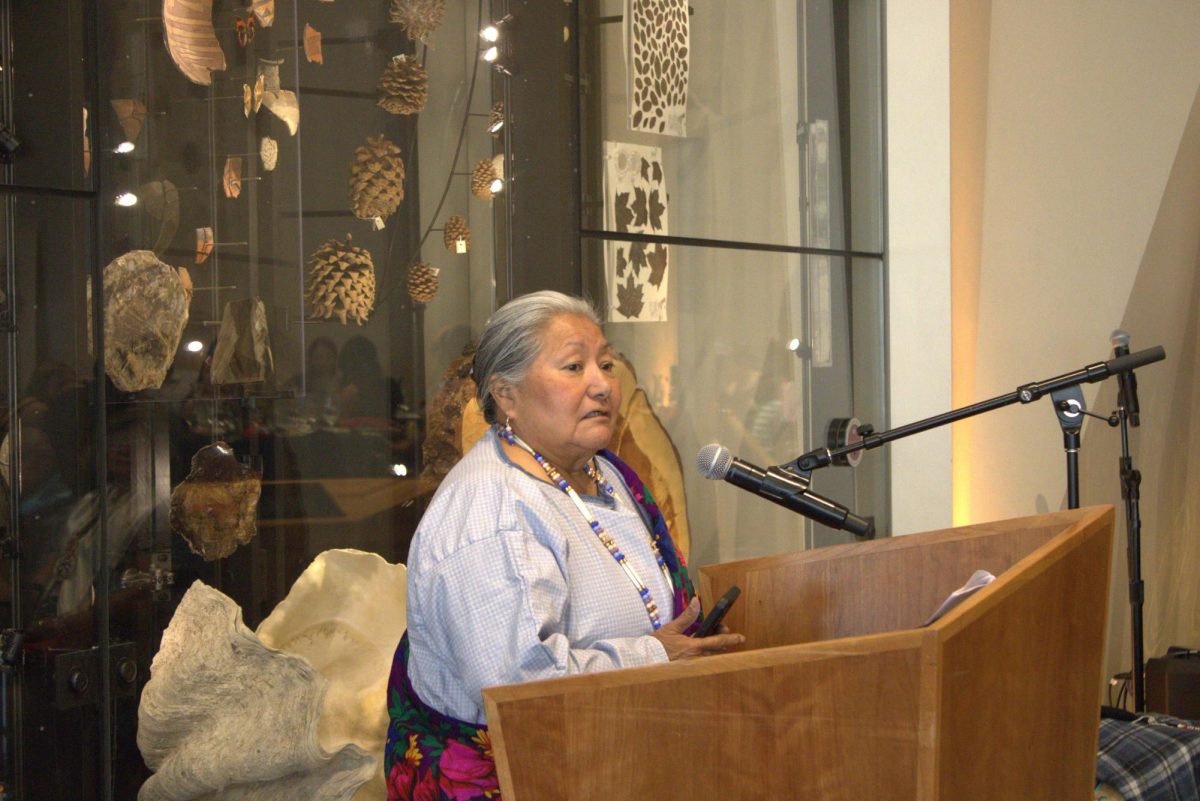
“I think it’s a good representation of the different, diverse people we have living in the Salt Lake Valley,” said Elvira Murphy, a member of the Confederated Tribes of the Goshute Reservation. “We’re able to share our culture and our arts with everybody.”
Food
There was also an international food market along 200 East, where festival-goers tasted traditional foods and drinks from a variety of cultures. The market featured traditional Serbian, Pakistani, Nepalese, Thai and Ukrainian cuisine, among others. Aside from the market, chefs demonstrated the preparation of specific cultural dishes.
Wisconsin-based chef Elena Terry of the Ho-Chunk Nation headlined the food demonstrations on Saturday and Sunday. She prepared the Three Sisters Salad for her audience. Terry took a “seed-to-table” approach through ancestral Ho-Chunk storytelling, honoring her ingredients and celebrating corn, beans, and squash in her traditional dish.