Started in 1996 by Alta locals, the Cottonwood Canyons Foundation’s Wildflower Festival aims to educate the public on one of Utah’s most vital mountain watersheds. Along with guides pointing out each individual species, festival workers will teach visitors the history of the watershed and why its protection is so important.
The foundation provides festival-goers with different hikes with varied difficulty levels. So far, they have held their festival at Brighton on July 11 and Solitude on July 12. More activities will be available at Snowbird on July 18 and at Alta on July 19. The foundation advises registering beforehand.
Protecting the watershed
Utah is currently in a state of drought, which not only increases fire risks and provides for subpar skiing but also increases the state’s need to protect the systems that provide Utahns with clean drinking water. Despite the drought, Utah’s flowers persevered and still scatter the mountains.
Utah’s water quality relies heavily on the health of the ecosystem from which the water comes. Tree roots and other plants act as a filter, slowly removing and filtering out contaminants such as phosphates, nitrates and heavy metals. They ensure the soil remains solid and sediments do not deposit.
Joanna Wheelton, executive director of the Cottonwood Canyons Foundation, views the watershed ecosystem as the state’s most important machine. “Big Cottonwood Canyon is honestly one of the most remarkable geological features in Utah. It’s like nature engineered the perfect watershed. Every drop of precipitation that falls up here can make its way down to faucets in the valley in about 24 hours,” Wheelton said in an interview with The Chronicle. “The native plants, the soil, the rock layers — they all work together as a natural filtration system. It’s extraordinary, and most people don’t realize how quickly and efficiently this canyon provides 60 percent of the valley’s drinking water.”
Through raising awareness of the system, the Cottonwood Canyons Foundation hopes to ensure its health into the future. By bringing the focus onto wildflowers nested in the watershed ecosystem, the foundation works with those unfamiliar with the significance of the Wasatch Range ecosystems.
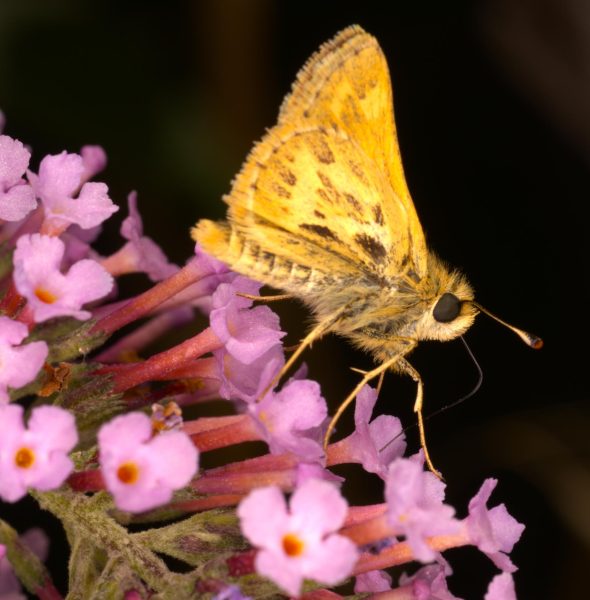
Utah’s wildflower diversity
Wheelton also wants to get people out to see what is a relatively rare sight. “The wildflowers in places like Brighton, Solitude, Mineral Basin and Albion Basin aren’t just pretty — they’re part of a rare alpine ecosystem that exists in very few places. This concentration of blooms is unique to Utah, and it gives us a chance to celebrate something truly special,” Wheelton said. “But beyond the beauty, wildflowers help us tell a bigger story about the watershed, the geology and the delicate balance that keeps this environment healthy. They’re a teaching tool as much as they are a spectacle.”
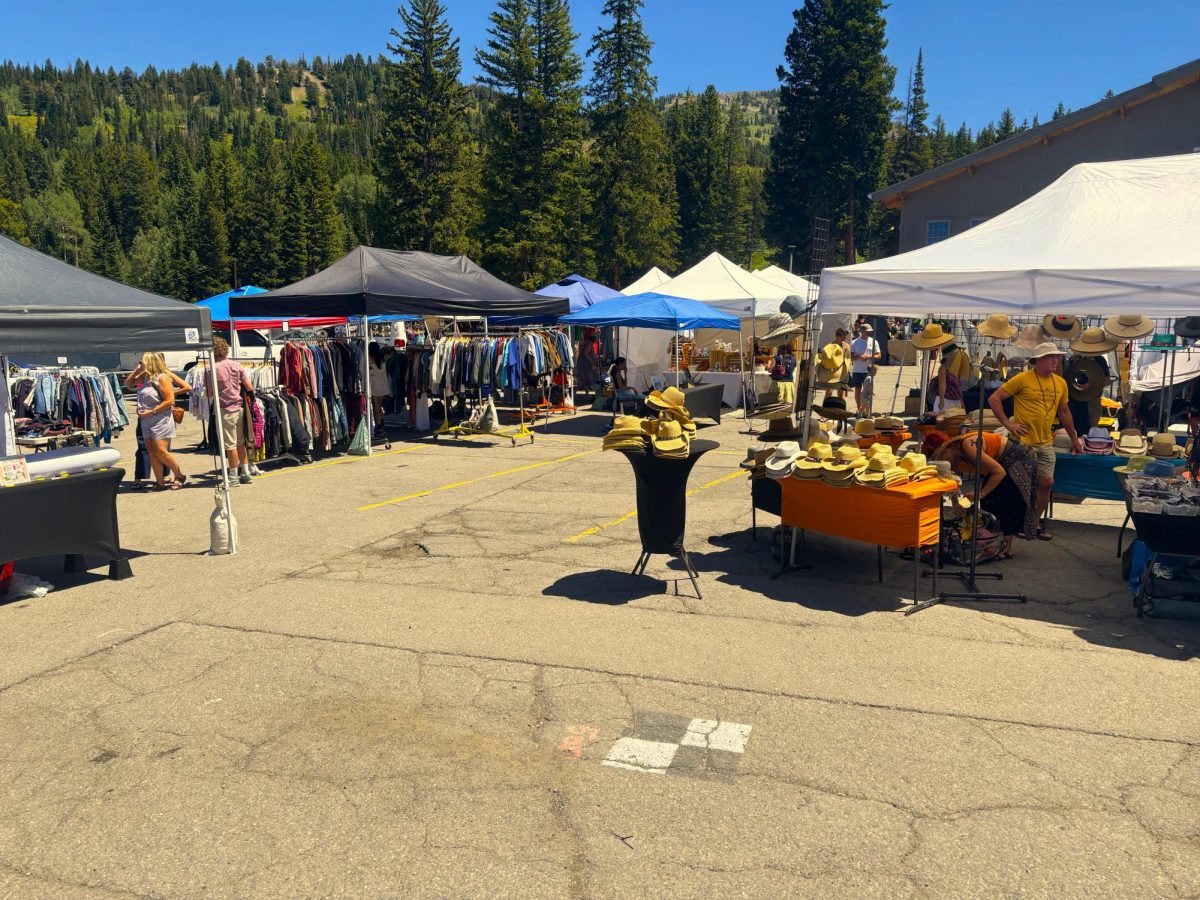
With live music and vendors from various locations, the festival keeps with Utah’s classic ski culture. After deciding their preferred difficulty level, participants are guided on hikes up to various mountain areas. Throughout the tour, guides will point out the various flower species and their unique characteristics.
Depending on the time of year, Wheelton said visitors should expect to see different species that come as the season progresses. The Wasatch Range is home to as many as 100 flower species, some of which include flowers that look like mini elephants, the Rosy Pussytoes, the Coyote Mint and Wheelton’s favorite, Fireweed.
“I spent a lot of time in the Yukon, where fireweed is everywhere, and in the native cultures there it symbolizes resilience. It’s one of the first plants to come up after winter and one of the last to fade at the end of the season,” Wheelton said. “It blooms upward along the stalk, and when the very top blossoms open, that’s how you know summer is ending. There’s something really poetic about that — a plant that marks both beginnings and endings, and keeps standing tall through all of it.”
Enjoying the mountains
The mountains are not only a great local hub, but a national venue. Alongside the hiking trails, visitors can play disc golf, try food, or grab a ski lift.
Dave Gelber, a visitor from Hawaii, enjoyed the festival and venues. “I came out here to play some disc golf today. I was completely surprised by the Wildflower Festival,” Gelber said in an interview with The Chronicle. “So far, I am impressed with the beauty, the nice people, the nice weather and the challenging disc golf.”