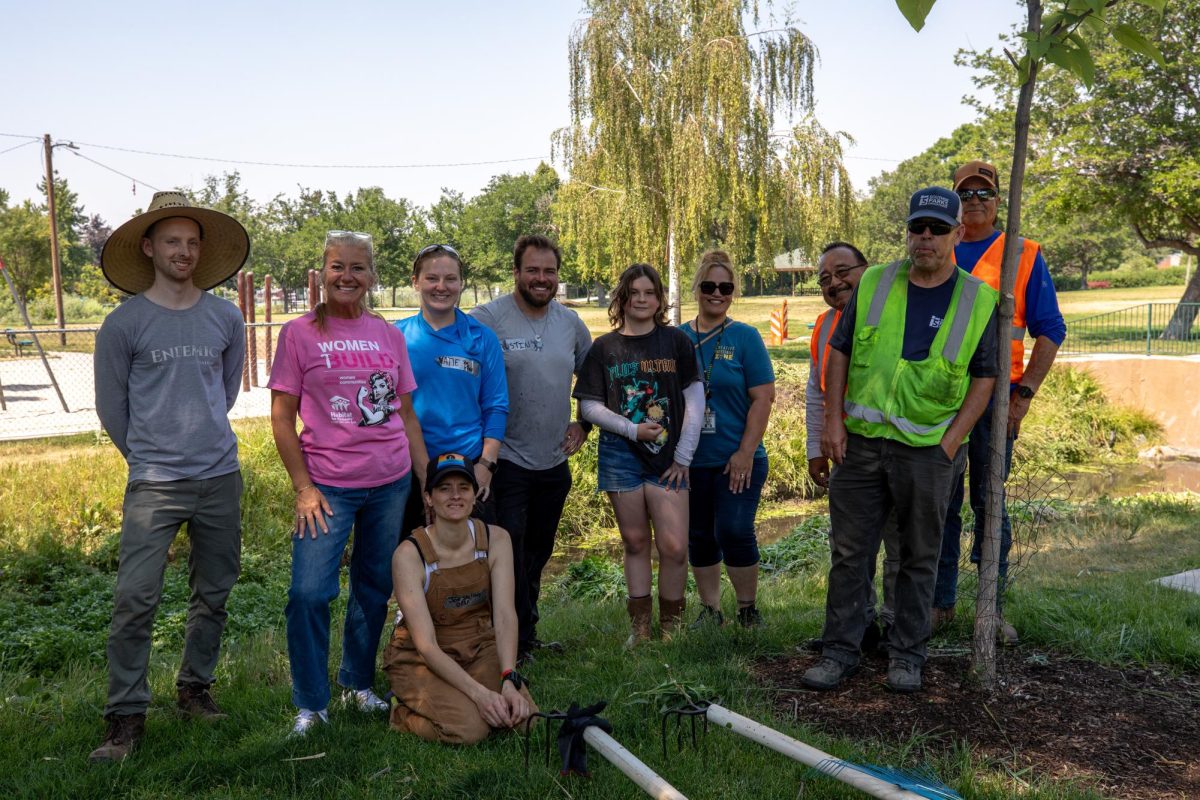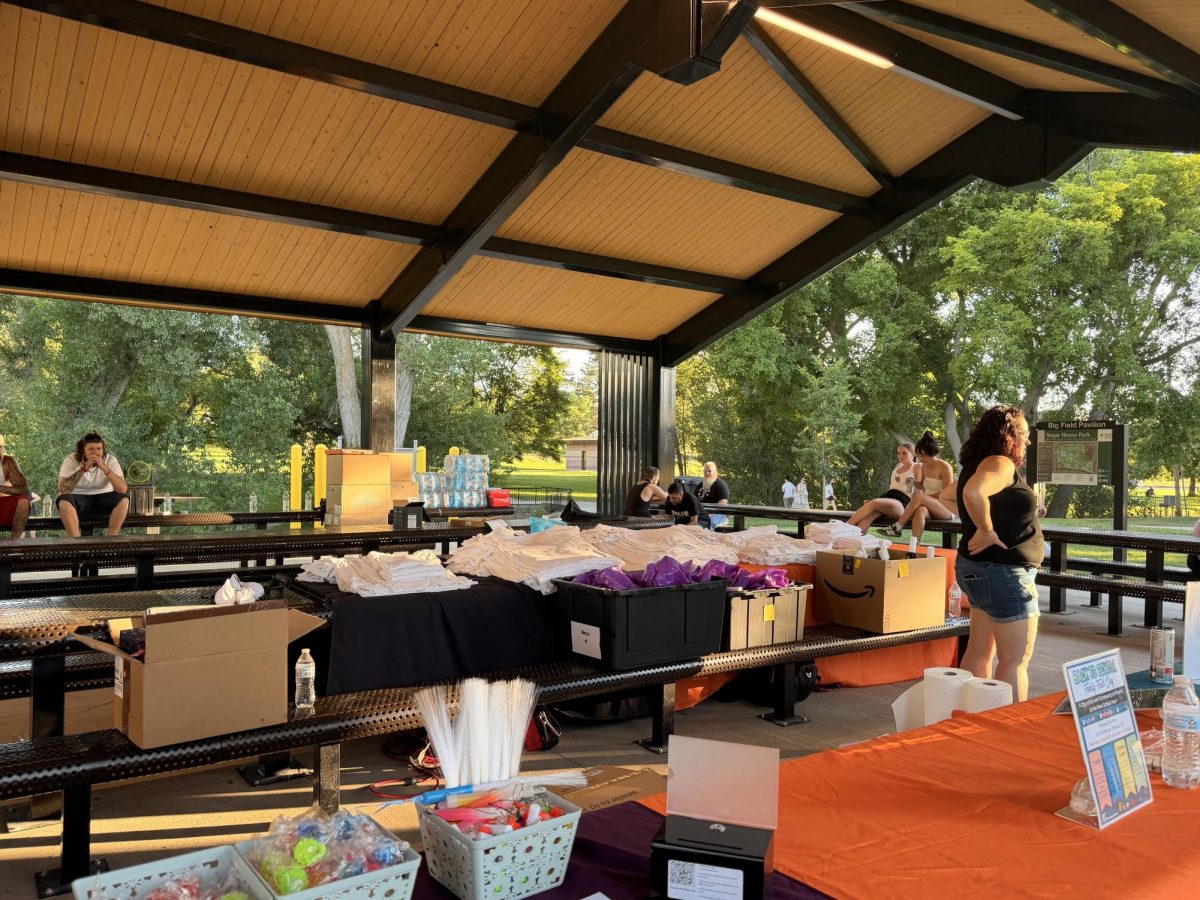
Families joined volunteers and organizers from The Family Support Center at Sugar House Park for a 5K run that raised money and awareness for the center’s work supporting families in need. Held on Saturday, July 11, the local Utah organization’s main mission is to protect children, prevent child abuse and strengthen families.
The Family Support Center provides a Crisis Nursery, LifeStart Village and educational classes for parents. The organization provides free emergency care for children of parents in conflicting situations and a self-sufficiency transitional housing program for single parents.
A run for hope
Beyond raising money, the 5K allowed the Family Support Center to make families aware of services they may not know exist and to connect directly with their community. According to Lori Cox, the executive director for the organization, the center seeks to prevent child abuse by strengthening families, protecting children and giving parents support before a situation becomes a crisis or neglect. “We have lots of different community events like this now to bring families together and make sure that they hear that our crisis nurseries are around for them,” Cox said during an interview with The Daily Utah Chronicle.
The crisis nurseries provide safe, temporary care when parents need support, ranging from a short break to care lasting up to 72 hours under certain circumstances. Cox explained that even one afternoon of support could help a stressed parent step away before lashing out at a child. According to Cox, addressing root issues such as education and childcare support leads to creating functioning and responsible members of society.
The Center gives overwhelmed parents somewhere safe to turn before stress develops into a dangerous situation. Although the center is unable to state exactly how much abuse they have prevented, their objective is to help Utah reconstruct its residing families. “We can’t measure what we’ve prevented,” Cox said.
Long-term care
The Center provides long-term assistance through its LifeStart Village, a self-sufficiency residential support program that provides safe housing and supportive services for single-parent families who are recovering from poverty or unstable living conditions. Beyond providing housing, the LifeStart Village creates a community among the struggling parents and families. “We’re covering the entire spectrum of the experience that people are going through when they’re going through a tough time,” Cox said.
During her interview, Cox said that when she joined the organization, she was surprised she had not heard of its programs despite raising children in Salt Lake. She has since worked to form partnerships with community organizations, the legislature and local chambers to make their organization more accessible.
The benefits of a safety network
Child care affordability is a growing issue in the U.S., with the annual average cost reaching $13,000 per child. Less than 50% of families with middle or lower incomes report finding childcare with ease and a smaller percentage of parents with less predictable work, according to a Pew Research Center study.
A child’s development can be directly related to their access to basic needs, such as clothing, healthcare and overall well-being. Families facing poverty or limited financial situations can strengthen their circumstances through available resources. Rozhin Earzegar, a University of Utah pre-nursing student, said community centers that provide child care can uplift a child’s health. According to Earzegar, a community built on strangers helping each other can have lasting effects on how the new generation views community. “These resources make sure they’re healthy,” Earzegar said in an interview with The Chronicle.
In Utah, with growing housing costs and falling family health metrics, poverty and lack of financial stability create immediate and long-term effects on children’s health. As of 2023, in Utah, care for two children under the age of six costs an average of 16,871 annually, which is about 17% of the median income for a family of four. The federal affordability benchmark is only 7%.
Resources provided by organizations such as The Family Support Center can create stability for families and change children’s lives, according to Zack Basaraba, a volunteer for the event. “I think that if a family can reconnect or sort of rebuild those relationships, or if they’re struggling in their life, to be able to have these kinds of resources available would be more beneficial than sending the kids off somewhere else,” Basaraba said during an interview with The Chronicle.