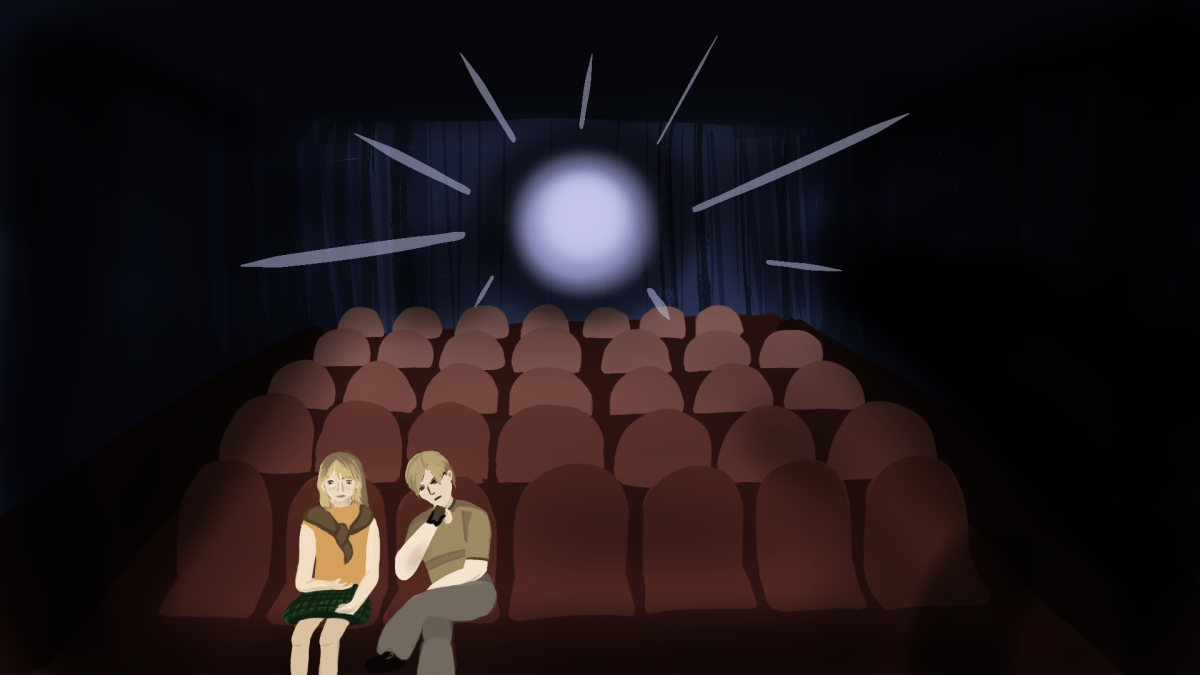
On Sept. 5, the University of Utah quietly released the news that they are no longer accepting students into the Performing Arts Design Program (PADP). In my interviews with PADP students, they explained that the head of the Department of Theatre (DOT), Chris Duval, announced this change to them on Aug. 29. The PADP is being changed from a program where students can study technical specialties to a general design BA.
The 2025 Legislative session forced the U to cut $19.5M due to HB 265. These cuts have resulted in the slashing of many programs at the U.
Utah’s legislators’ focus on profit over passion will hurt the arts industry irrevocably.
The Utah and U community must band together and tell our legislators and University President Taylor Randall to save the PADP.
What is the PADP?
The PADP allows design students to specialize in certain technical, theatrical and film-based media, such as costume, prop, set, lighting and sound design. In addition to classroom-based training, the PADP lets students participate in productions and utilize their skills in hands-on environments.
Alumni of the PADP have worked with Warner Bros., Paramount and Broadway Media.
The gorgeous sets, lighting, sound and more that make the U’s DOT productions so popular are the direct result of the efforts of students and faculty in the PADP.
Personal experiences
I spoke to many members of the PADP who have different specialties.
Of all the members I interviewed, there were two incredible consistencies. First, all of them said what makes the PADP unique is the ability to specialize in different technical emphases.
Second, all of them said that making the PADP a general design program will negatively impact all of DOT’s programs and the theatrical community of Salt Lake City as a whole.
Lexie Kewish, a sophomore and costume designer in the PADP, initially took some film design classes in high school and became fascinated by a costume design section in her class. Kewish is most interested in costuming for film, and said, “I didn’t want to do theater design in general…but if I had a specific costume design emphasis, then that would be better.” The PADP provides that specific emphasis. The change to a general design program would focus more on theatre and not allow students with a passion for film design the opportunities they deserve.
One of Kewish’s stand-out experiences in the PADP so far was costuming for Charting Neverland, which performed in Kingsbury Hall on March 21 and 22. She said, “It was a huge learning experience for me. I don’t think I’d be as knowledgeable as I am right now if I weren’t able to do that.”


Colby Carpenter, a senior and lighting and sound designer in the PADP, found his passion by accidentally joining his high school’s stage crew. Carpenter discussed how, in the past year, the students in the PADP have worked very hard to get the word out on the program, even creating their own Instagram account, planning potential outreach and trying to create merchandise for the program.
Carpenter highlighted the importance of the individualized specialties the PADP provides. He said, “It would not be about design. Design is something you could choose to prioritize, but it would no longer be about design. The PADP prepares [students] to work in higher-level spaces.”
Carpenter also works for Hale Center Theater, Orem. He said, “If I had just taken Lighting 1, I never would’ve gotten that opportunity.” Carpenter also encouraged other U students to understand why the PADP matters.
Kait Gollmer, junior and costume and prop designer, is a non-traditional student in the PADP. Gollmer got her start in costumes and props through cosplay and personal art and then took a costume design class in the spring of 2025. She said, “I think generalizing [the PADP] creates a standard of inadequacy.”
Gollmer also said when Duval announced that the PADP was no longer accepting students, she wasn’t expecting everyone to speak up. However, she said, “I was really, really proud of all the…freshmen. They were asking really tough questions.”
Gollmer is working on the U’s production of “Legally Blonde” later this fall.


Calvin Vincent, junior and sound designer, started his sound design journey as a “huge music nerd”. He said, “Almost half of the PADP right now are freshmen. [We spent our first meeting] getting to know each other…and then everything got super serious.” He described the changes in the program as a “gut punch”.
Vincent said, “The theater industry in America is having one of the most successful times it’s ever had right now. And if that’s the case, then why are we not fostering this program more?”
You can listen to Vincent’s work, Chrysalis, here.
Niamh Helwig, junior and costume designer, grew to love costume design in high school through a costume design class taught by a local theatre. She wasn’t sure if she wanted to go to college, but when she learned more about the PADP, she said, “The stars aligned all of a sudden.”
Helwig said, “[The DOT] uses all of our designs to prop up their productions and market themselves to people who want to come act. Look, you get nice costumes and a nice set and nice sound design. You get a real professional experience, and that is because of us and our professors.”


The stories and passion of the PADP students are truly affecting.
As a student body and the Utah community, we must do everything we can to help them save their program and show them we support them and their professors.
Helwig said, “It’s not about becoming ‘famous’. It’s simply about the fact that you can create…and no one can devalue that. They can sure try, but at the end of the day, they will know [us] and they will feel [us].”
To support the PADP, follow them on Instagram @uofupadp, and copy and paste this paragraph to the “Comments” section of this form, and submit it to Gov. Cox: Save the PADP Template.