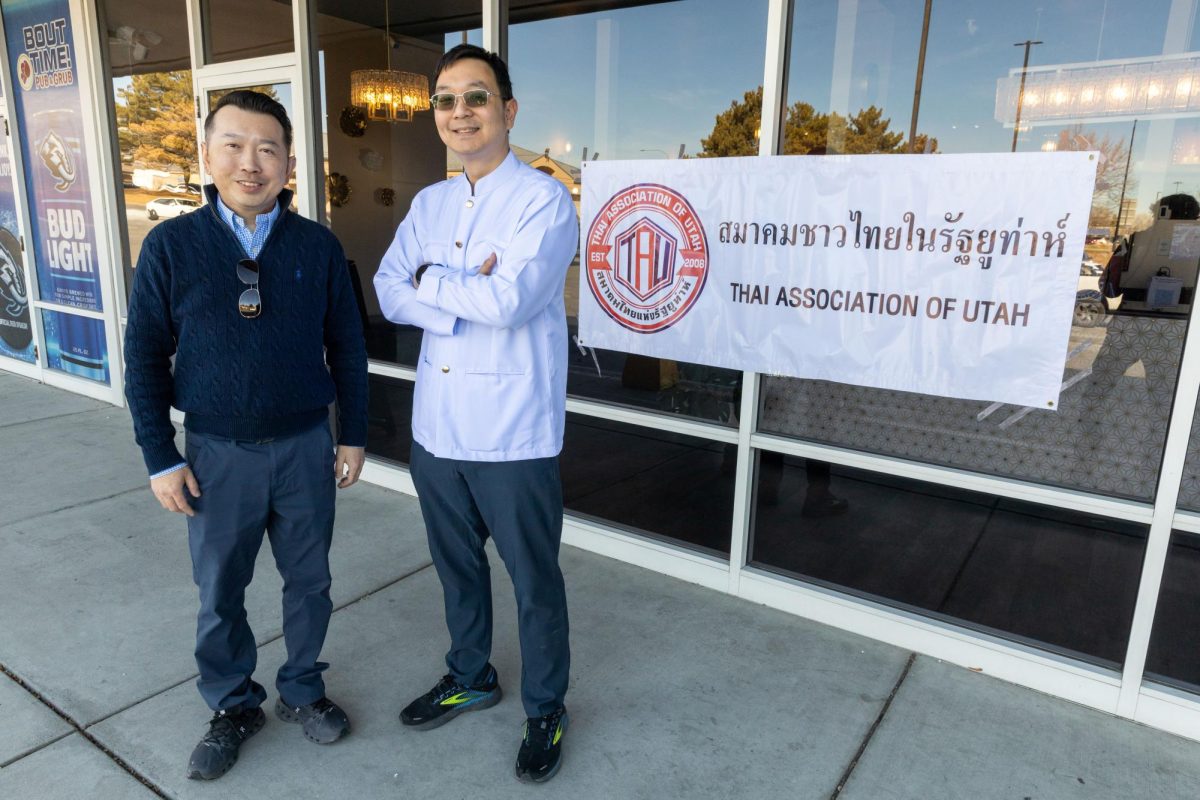
A man opens the restaurant doors of Simply Thai, and the vendors, some of whom have been up since 6 a.m., preparing for the day, hurry to carry their wares inside. After a chaotic half hour of setup, customers begin to arrive.
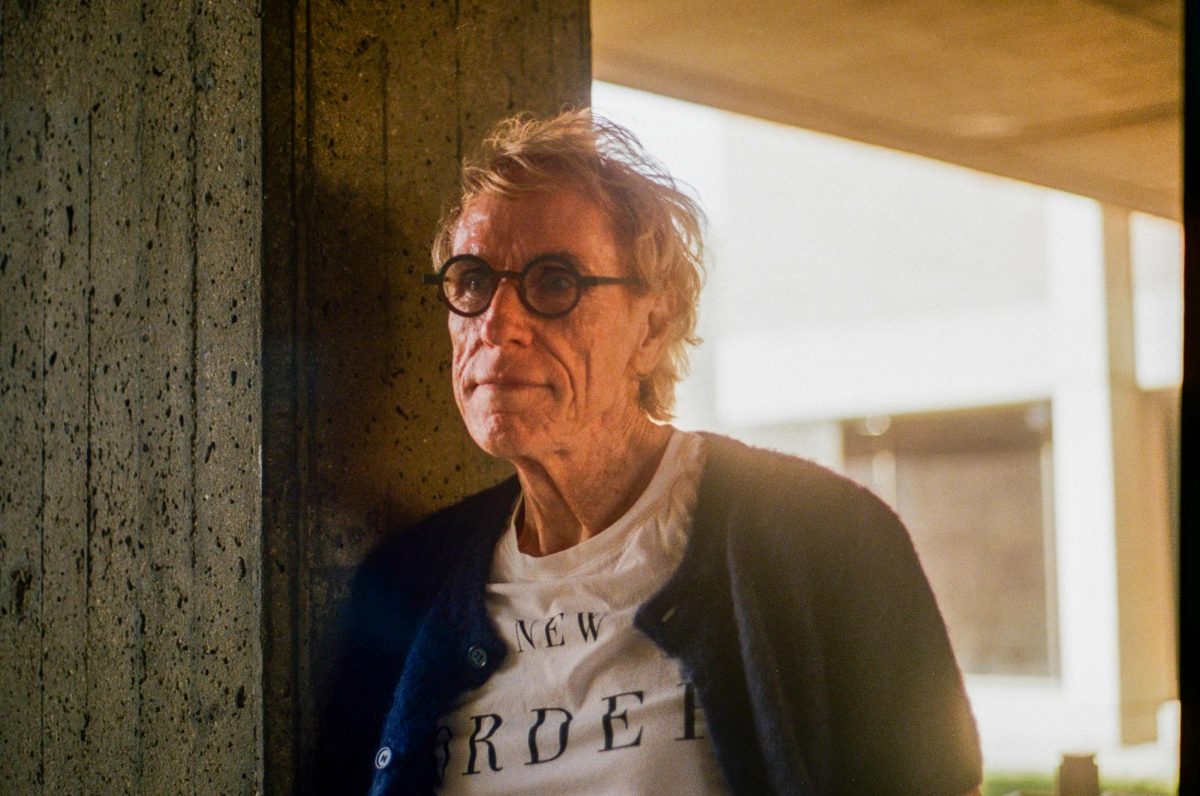
Such was the scene at the Thai Association of Utah’s Thai Market, held on Jan. 22. “We used to hold these monthly, but the vendors weren’t selling well, so we started spacing them out every three months or so,” said Dr. Leenhapong “Leen” Navaravong, president of the Thai Association of Utah. “Since then, we’ve had pretty good success!”
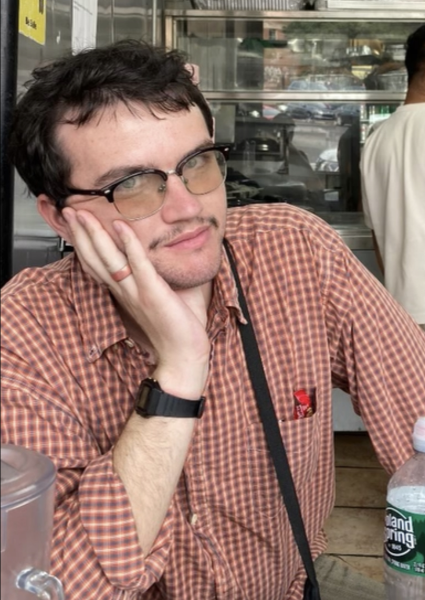
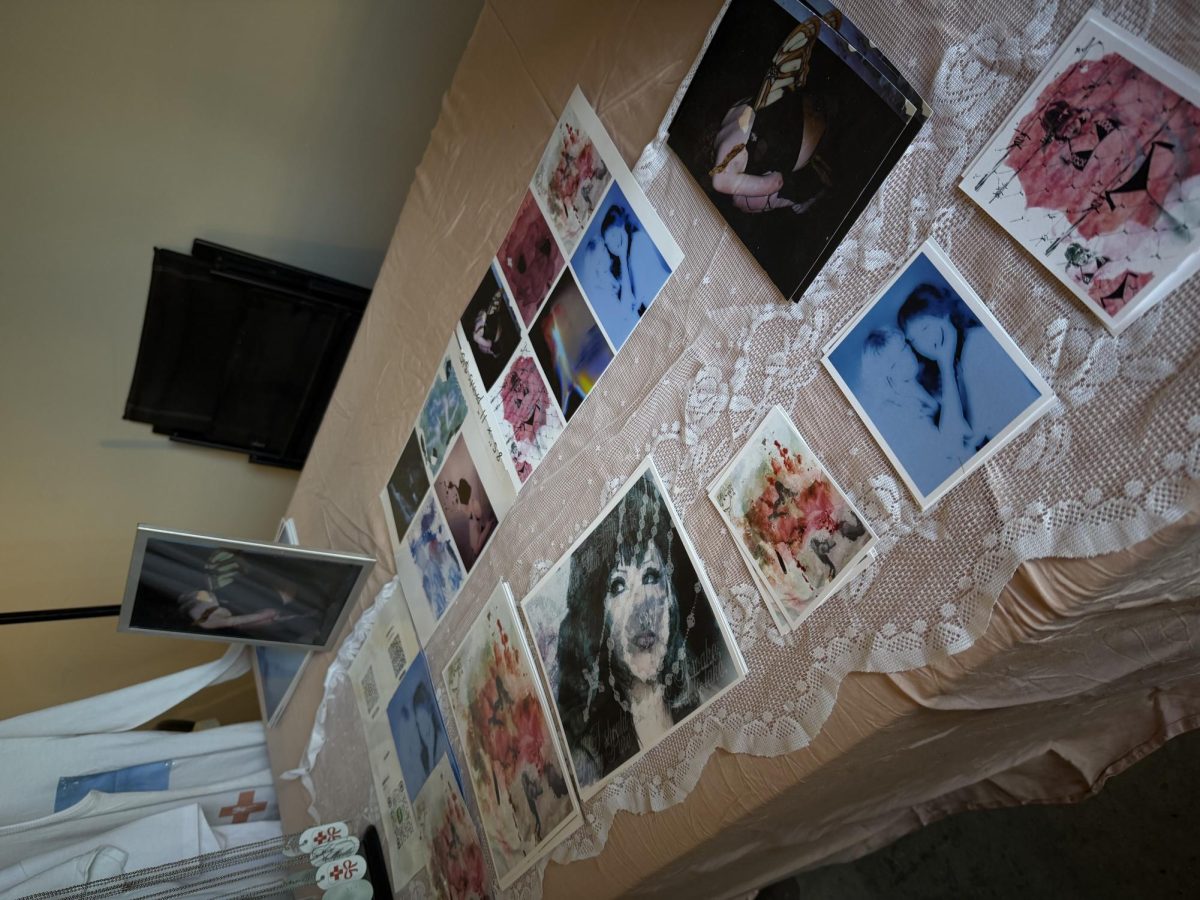
Joining Dr. Navaravong was the market’s host and man at the door, Simply Thai owner and Thai Association of Utah vice president Nuttapong “Kevin” Kijvekin. Coming from across the Salt Lake Valley, local business owners gathered inside Kijvekin’s restaurant to sell handmade goods and home-cooked specialties, everything from ice cream to moo ping to grass jelly drinks.
Deepening the Thai roots in Utah
Officially founded in 2008, but with roots going back further, the Thai Association of Utah began with a simple mission: “To increase cohesiveness of Thais and Thai-Americans in Utah, promote cultural and language learning activities for Thais and Thai-Americans, and help promote Thai and Thai-American businesses,” Dr. Navaravong said.
Over time, that mission has taken shape through several main efforts: Thai language classes for children, Thai traditional dance groups, community events like today’s market, and cultural and religious holiday celebrations in partnership with Thai Buddhist temples such as Wat Dhammagunaram in Layton. The association also works alongside Thai community groups in other spaces, including the Lao-Thai ward of The Church of Jesus Christ of Latter-day Saints in Murray.
In other words, the market is not just about commerce. It is a living hub for community memory and cultural continuity; one built as much for Thai-Utahns as for curious newcomers. For people simply stopping by after reading a sign, it may look like a packed room and a line for old-timey sweets. For organizers, it is a small snapshot of the community’s infrastructure.
Youth, identity and the cultural everyday
Both Navaravong and Kijvekin emphasized that a major priority is youth involvement, especially for Thai-American kids growing up in Utah. “Some youth may have been born in a land that isn’t Thailand, but we still have our own culture,” Kijvekin said. “We want to share that culture, whether it’s food, language or the like.”
For many immigrants, culture does not survive on nostalgia alone. It survives through repetition, contact and reasons to show up. Regarding the children, Kijvekin put it in practical terms: the association creates opportunities for Thai youth to meet each other and for families to stay connected. “This is something we can do for society,” he said. “Give children the opportunity to make friends at school, at the Wat or at church. They’ll learn what it really means to be multicultural!”
That emphasis also reflects a reality many diaspora communities know well. Without intentional structures, language and cultural knowledge can fade quickly within a single generation. Markets, classes and holiday events may feel small, but they are often where identity becomes tangible and shared.
In addition to their work with Thai-American families and long-term Utah residents, the Thai Association of Utah also plays an important role in helping newer generations of immigrants. Whether it be helping newcomers find employment, housing, food or a place to worship, President Navaravong and Vice-President Kijvekin see balancing the differing needs of these two groups as a big part of their role as leaders.
Small organization, big ambitions
Navaravong and Kijvekin both joined the association’s highest leadership in 2024, and they agree on the direction moving forward: to grow larger, broaden outreach, and make events more visible to the broader Utah public. “We want to get involved at an even bigger level,” Kijvekin said. “In bigger states, they rent out entire parks filled with booths! We’d love to do something like that, invite more Utahns to get involved and let us present Thai culture to them.”
Even now, the association has a presence beyond its core membership. Thai Association dancers, vendors, and volunteers regularly participate in major Salt Lake cultural mainstays such as the Utah Asian Festival and Living Traditions. Their events are open to the public, and organizers say they want to deepen partnerships with non-Thai groups as well.
But growth comes with constraints, especially for an all-volunteer organization. “Our bandwidth is quite small. We’re all volunteers with full-time jobs,” Dr. Navaravong said. “That makes it hard. But if we do manage to increase said bandwidth, I believe in the future we’ll really be able to host even more and even larger events and truly invite everyone to participate with us.”
That “bandwidth” problem is not just about time. It is also about infrastructure and budget. As anyone who’s ever hosted a large public-facing event can tell you, purchasing supplies, coordinating volunteers and securing permits is no easy feat. And the size of Utah’s Thai Community, around 4,000 people according to Dr. Navaravong, is small.
Still, the Thai Association of Utah’s leadership is as ambitious as ever. Both men mentioned a long-term dream of building something like a marquee Thai festival in Utah, a signature public event that could stand alongside established cultural festivals in the region. The goal is not only to entertain but to build recognition and continuity. Larger events also create more opportunities for Thai-owned businesses, performers and community organizations to collaborate.
Why the market matters
In the short term, the Thai Market and similar events function as a concentrated version of what the Thai Association of Utah does all year: provide a place where Thai culture is visible, social, and shared. Food is an obvious entry point, but it opens into other things. A kid overhears a local dialect spoken at a table. A newcomer asks what an ingredient is. A family runs into a friend they haven’t seen in months. A Thai exchange student realizes there is a whole network of people from home.
The market also demonstrates something broader about cultural life in Utah. Communities do not preserve themselves automatically. They need spaces, leadership, volunteers and public interest. Whether those spaces are restaurants, temples, churches or community centers, they become the stage where culture stays alive rather than becoming an abstract memory.
How you can get involved
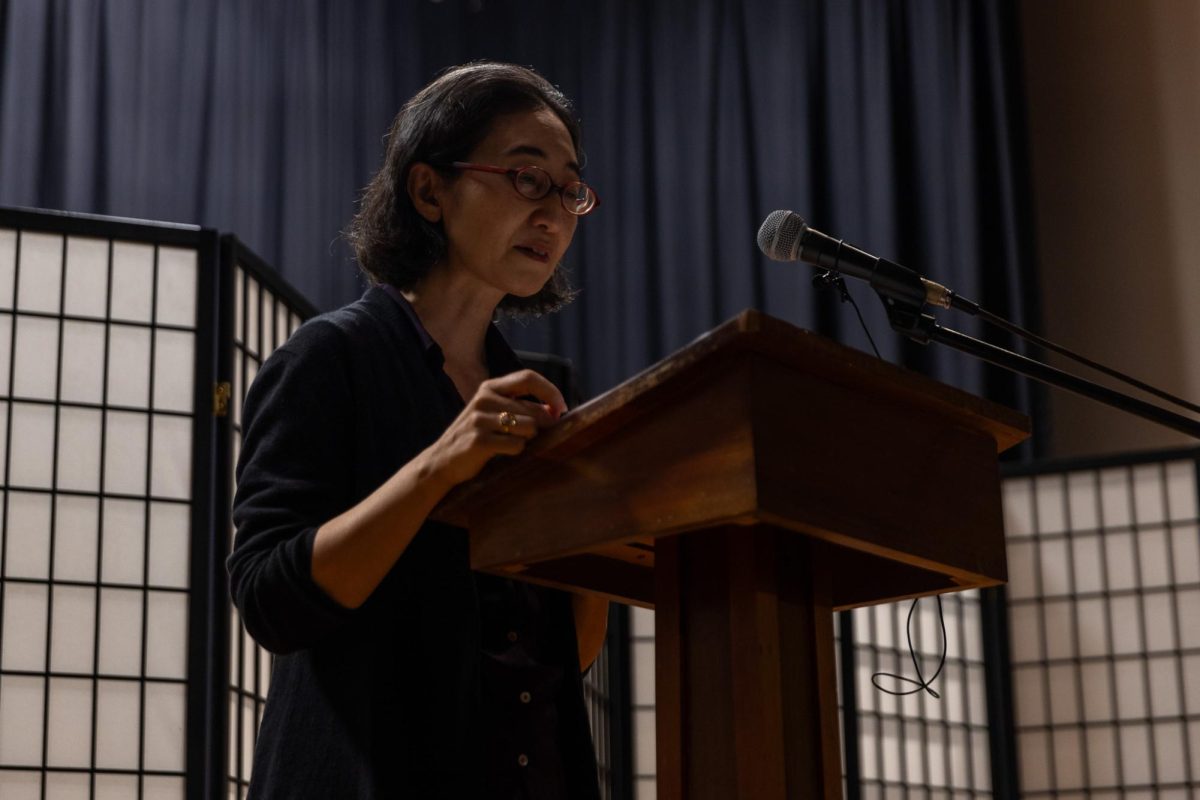
For University of Utah students interested in food, culture, language learning or community arts, there’s ample opportunity. “We’d love to provide opportunities for the youth to learn from …,” Dr. Navaravong said. “In fact, we’d love to have University students share their experiences with the kids, talk about their work and how they got to where they are. We welcome all students! Anyone interested in volunteering can contact us directly at our Facebook page. We’re on Instagram too!”
The invitation is straightforward: show up, bring a friend, learn a new word. Ask a question respectfully; even volunteer or connect with organizers. That kind of participation is what turns an event from a simple one-time outing into a sustainable tradition.
And if the crowd at Simply Thai is any indication, the appetite is there.