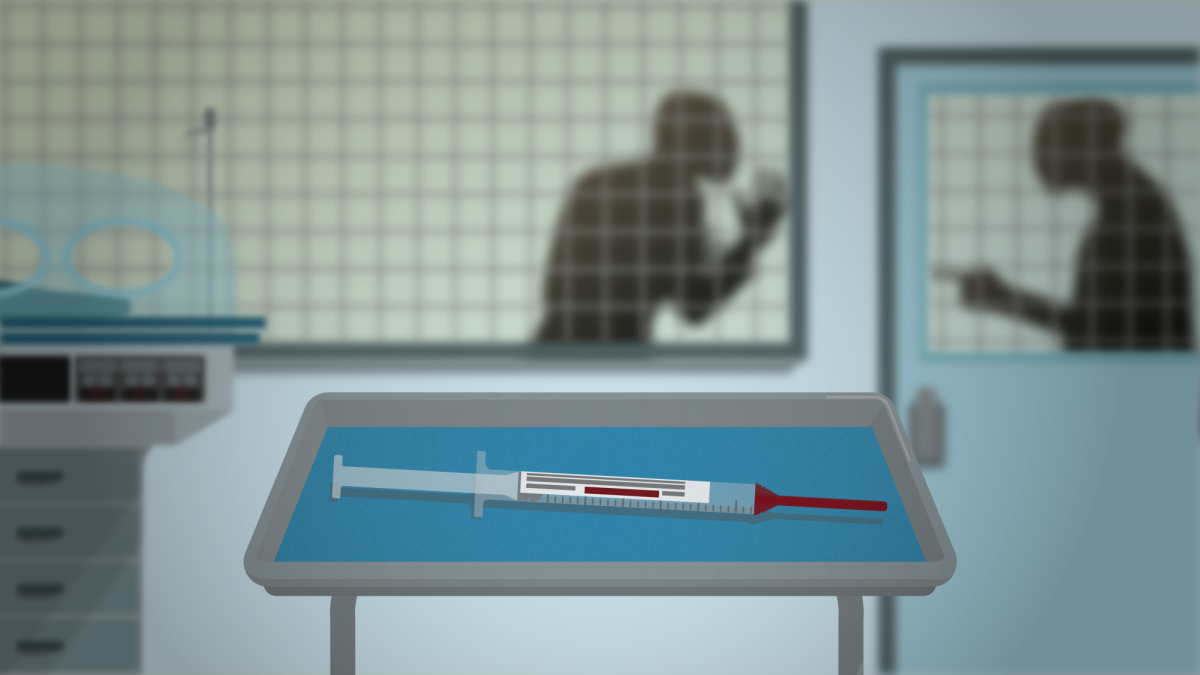
Utah Sen. Jen Plumb sponsored a bill, SB 170, that allows parents of newborn infants to decline administration of the crucial vitamin K shot. Receiving vitamin K shots after birth prevents infant deaths.
As Utahns, we need to make medical choices for children based on proven scientific facts in the face of misinformation.
Vitamin K shots are crucial
Vitamin K deficiency bleeding (VKDB) is a known killer. It can manifest as early as 24 hours after birth.
Despite the high 20% mortality rate caused by VKDB, which can occur in all infants, some parents choose not to give their baby the vitamin K shot. In 58 reported instances of VKDB, parents refusing the shot caused 33 of the cases.
A study was released in 1993 claiming that children who received the vitamin K shot were at twice the risk of developing childhood cancer. This study caused a ripple of fear amongst parents and doctors alike. Over the years, many studies have been conducted to try to find the same results, but they’ve all proven there is absolutely no tie between vitamin K shots and cancer.
There is an immense amount of research proving how important vitamin K is for children. The fact that parents can still decide to refuse this shot despite the overwhelming evidence points to a bigger issue within the social narrative surrounding vaccinations and at-birth shots.
Anti-vax rhetoric
Anti-vaxxers are people, in this case, parents, who are against vaccinations. Being anti-vax can come from a plethora of beliefs about vaccinations, but some core beliefs of the group pertain to religious reasons and safety concerns. Because vaccinations are pivotal to children’s health, pharmacists and other healthcare providers have coined the term “vaccine hesitancy” to have open and frank discussions with parents about the importance of vaccinations. Childhood vaccines save 2-3 million lives per year. Despite the overwhelming evidence that vaccines are necessary, anti-vax rhetoric persists.
One of the most popular anti-vax groups, A Voice for Choice, promotes theories about vaccines that have been scientifically debunked. Amongst the misinformation on their website, they claim that vaccines introduce children to unsafe levels of aluminum. Some vaccines do have minimal amounts of aluminum to help with immune response, but A Voice for Choice omits the fact that infants consume around 7 milligrams of aluminum per day just from nursing.
In 2014, a large outbreak of measles swept through children visiting Disneyland. This outbreak infected over 50 people and was spread by the unvaccinated children of anti-vax parents.
Many anti-vaxxers fear that vaccines cause autism. This fear of autism, which is not caused by vaccines, is ableist. Anti-vax rhetoric frequently leads to harmful dialogues under the guise of protecting children.
Choosing what’s best for your child
SB 170 introduces the option to refuse the vitamin K shot to parents and midwives after an informative session about the shot’s benefits. I believe all parents have the right to choose for their child. In the face of massive misinformation about childhood safety, parents need to pick what’s right for their child based on scientific evidence and not fear.
Medical autonomy is fundamental to medical ethics. Balancing this value of autonomy with patients who have none is a tricky subject and falls onto the shoulders of the guardians. Having the option to say no to vitamin K shots is important for autonomy. Western medicine prioritizes patient-centered care, which ensures patients’ wants, needs and preferences are met.
Infants, clearly, cannot speak for themselves. Though they can’t communicate their wants, needs and preferences, they still have needs. Infants need safety. They get this safety from their parents and guardians, who give the child what they need. With patient-centered care, parents become the sole communicators for the infant. This is why it’s so important for parents to listen to the benefits of vaccinations for their children, look at scientifically proven facts about the treatment, and make a decision for the safety of their child.
There is no proven correlation between vitamin K and cancer. To keep infants safe, parents need to give them the vitamin K shot, regardless of their own fears or biases. SB 170, paired with the heavy influence of anti-vax rhetoric in our society, highlights a growing concern about vaccinations and a rise in preventable diseases in the children of anti-vax parents.
Autonomy is important but hard to determine in infants. Utah parents and guardians must make objective and informed decisions for their children’s medical care to protect them.